


Beard Transplants for Men with Weak Donor Areas
Beard Transplants for Men with Weak Donor Areas

Beard Transplants for Men with Weak Donor Areas
One of the most common concerns men raise when enquiring about beard transplants is whether they have enough donor hair to make the procedure viable. For men who are also experiencing scalp hair loss, or who simply have a naturally lower hair density in the donor zone, the worry is that a beard transplant may not be possible, or that pursuing one could compromise their scalp hair in ways they cannot afford.
These are legitimate concerns, and they deserve honest answers. The reality is that a weak or limited donor area does not automatically rule out a beard transplant, but it does require a more careful and considered approach to planning than a straightforward case with abundant donor supply. This article explains what a weak donor area means in practical terms, how it affects the options available, and what men in this situation can realistically expect.
What Is the Donor Area and Why Does It Matter?
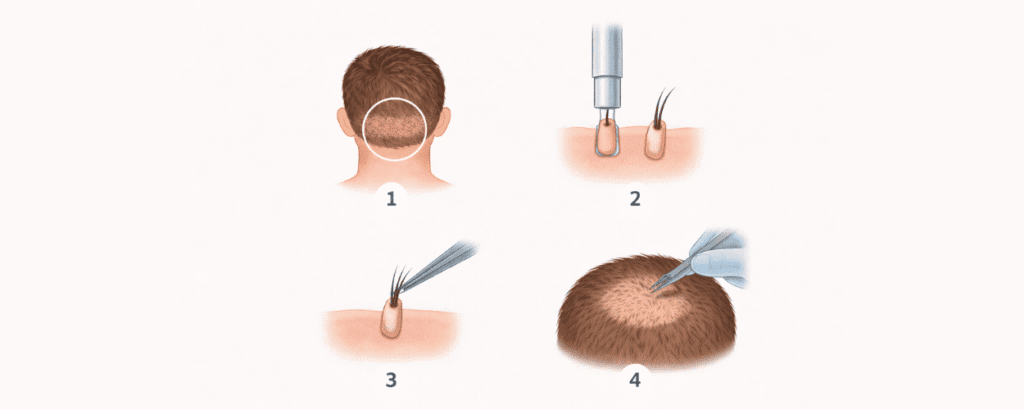
The donor area in a beard transplant refers to the region of the body from which hair follicles are harvested for transplantation into the face. In the vast majority of cases, this is the back and sides of the scalp, an area known as the safe zone because the follicles here are typically resistant to the effects of DHT and are therefore stable long-term. Once transplanted, these follicles retain their DHT-resistant characteristics and continue to grow permanently in their new location on the face.
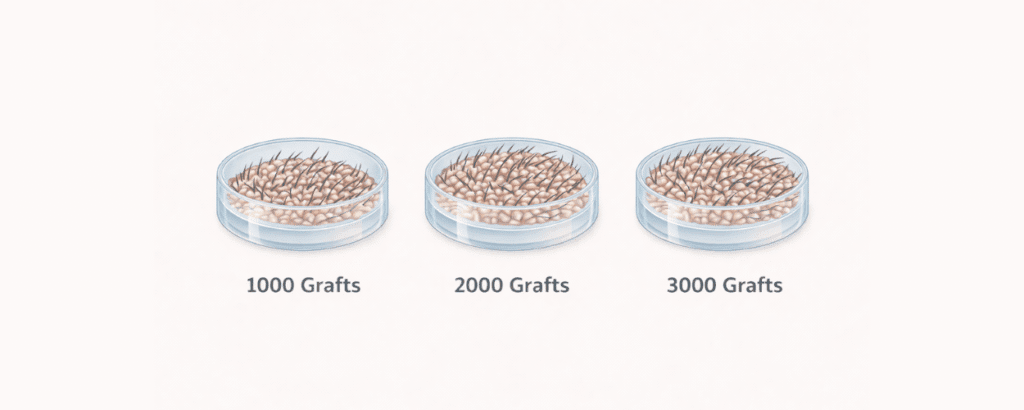
The quality and quantity of the donor area is one of the most important factors in determining what a beard transplant can achieve. A patient with high donor density has more follicles available to work with, which means more grafts can be placed, greater coverage can be achieved, and the density of the final result can be higher. A patient with lower donor density has fewer follicles available, which means the procedure needs to be planned more carefully to make the best use of what is there without over-harvesting the donor site.
Over-harvesting is an important concept to understand. Removing too many follicles from the donor area in a single procedure can leave the donor site looking noticeably thinner, which is an outcome that no responsible surgeon would accept. The goal is always to achieve the best possible result for the beard while leaving the donor area looking completely natural.
What Makes a Donor Area Weak?
A donor area may be considered weak for several different reasons, and the implications of each vary depending on the underlying cause.
Natural low density is the most straightforward cause. Some men simply have a lower number of follicles per square centimetre in their donor zone than average. This is a genetic characteristic and is not related to hair loss. It means there are fewer follicles available overall, but those that are present are typically healthy and stable, and can be used effectively with careful planning.
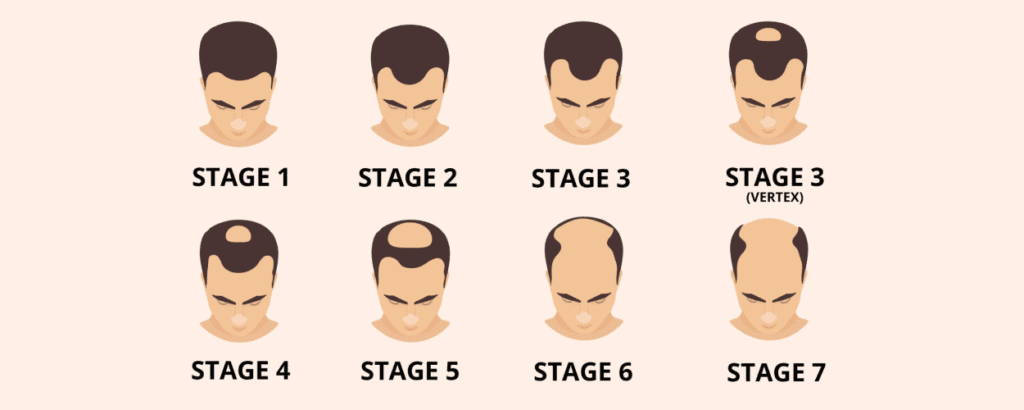
Male pattern baldness is a more complex cause of a weak donor area. As scalp hair loss progresses, the safe zone at the back and sides of the scalp can shrink, reducing the number of follicles available for harvesting. For men with advanced or rapidly progressing male pattern baldness, this is an important consideration that affects both the feasibility of a beard transplant and the planning of how donor follicles are allocated.
The key issue here is one of competing priorities. If a man wants both a beard transplant and a scalp hair transplant at some point in the future, the available donor supply needs to be planned carefully to ensure that both objectives can be met without compromising either result. Using too many follicles for a beard transplant could limit what is available for scalp restoration later, and vice versa. This is a conversation that needs to happen openly at consultation, with both current and future goals considered together.
Previous hair transplant procedures can also affect the donor area. Men who have already had one or more scalp hair transplants may have had a significant number of follicles removed from the donor zone, reducing what is available for a subsequent beard transplant. The extent to which this affects beard transplant viability depends on how many follicles were used in the previous procedure, how widely they were distributed across the donor area, and how much healthy donor density remains.
Fine or thin hair calibre is another factor that can effectively limit the usable donor supply. While a patient may have an adequate number of follicles in their donor zone, if the individual hairs are very fine, the visual impact of each graft on the beard is lower than it would be with medium or coarse hair. This means more grafts may be needed to achieve the same visual density, and the overall yield from the donor area is effectively reduced in terms of the coverage it can provide.
What Are the Options for Men with a Weak Donor Area?
A weak donor area does not mean a beard transplant is impossible. It means the approach needs to be adapted to work within the constraints of what is available. There are several strategies that experienced surgeons use in these situations.
Prioritising key areas is one of the most common approaches. Rather than attempting a full beard restoration, the available grafts are concentrated in the areas that will have the greatest visual impact. For many patients, this means focusing on the jawline, chin, and any particularly noticeable patches, rather than trying to achieve full coverage across the entire beard area in a single procedure.
A staged approach is another option. Rather than placing the maximum number of grafts in one session, a more conservative first procedure is planned, with the option to add further density in a second session once the first has fully matured. This approach protects the donor area from over-harvesting and allows the surgeon to assess how well the first procedure has performed before committing additional follicles.
Body Hair as an Alternative Donor Source
For men whose scalp donor area is genuinely insufficient to support a beard transplant, body hair offers an alternative source of donor follicles that is worth understanding. Body hair transplantation, sometimes referred to as BHT, involves harvesting follicles from areas such as the chest, abdomen, arms, or legs and transplanting them into the beard area.
Body hair can be a viable option in certain circumstances, but it comes with some important caveats that need to be clearly understood before it is considered.
The characteristics of body hair differ from scalp hair in several important ways. Body hair tends to be finer, softer, and shorter in its natural growth cycle than scalp hair. It also grows at a slower rate and has a shorter active growth phase, which means it may not grow as long or as consistently as scalp hair once transplanted. These characteristics can affect the texture and appearance of the transplanted beard, and the result may look and feel somewhat different to a beard transplanted using scalp hair.
The suitability of body hair for beard transplantation also varies depending on the area it is taken from and the individual patient. Chest hair is generally considered the best body hair donor source for facial use, as it tends to be more similar in calibre and texture to facial hair than hair from other body areas. However, even chest hair is not a like-for-like substitute for scalp hair, and the results achieved with body hair transplantation are typically less predictable than those achieved with scalp hair.
That said, for patients where scalp donor supply is genuinely limited and body hair is available in sufficient quantity and quality, BHT can be a meaningful way to supplement the available graft supply and achieve a result that would not otherwise be possible. It is sometimes used in combination with scalp hair, with scalp follicles placed in the more prominent areas of the beard and body hair used to add density to less critical zones.
The decision to use body hair as a donor source is not one that should be made lightly, and it requires a surgeon with specific experience in this technique. At Capital Hair Restoration, any use of body hair as a donor source is discussed fully at consultation, with a clear explanation of what it can and cannot achieve and how it fits into the overall plan for your procedure.
When a Beard Transplant May Not Be Viable
It would not be honest to discuss weak donor areas without acknowledging that there are cases where the available donor supply is simply insufficient to support a beard transplant that would produce a worthwhile result. In these cases, proceeding with surgery would mean either over-harvesting the donor area to a degree that causes visible thinning, or placing so few grafts that the improvement to the beard is minimal and not worth the cost and recovery involved.
At Capital Hair Restoration, we will always tell you clearly if we do not believe a beard transplant is viable in your case. This is not the outcome anyone hopes for, but it is far better to hear it honestly at consultation than to proceed with a procedure that cannot deliver what you are hoping for.
What to Expect from a Beard Transplant with a Weak Donor Area
For men who proceed with a beard transplant despite a limited donor area, managing expectations carefully is particularly important. The results achievable will be more constrained than for a patient with abundant donor supply, and understanding this going in makes for a far better experience than being surprised by it after the fact.
The density of the final result will be lower than what could be achieved with a stronger donor area. This does not mean the result will be poor. A well-planned procedure that works intelligently within the available graft supply can still produce a meaningful and natural-looking improvement. But it is important to be honest with yourself about whether the improvement achievable with your donor supply matches what you are hoping for, and this is a conversation your surgeon will have with you directly at consultation.
Recovery and results timelines for patients with weak donor areas are broadly the same as for standard beard transplants. The transplanted hairs shed in the first few weeks, new growth begins from around three to four months, and the final result is seen at around twelve months. There is no evidence that a weaker donor area affects the speed of recovery or the timeline for results.
What can vary is the overall density and coverage of the final result relative to what a patient with a stronger donor area might achieve with the same number of grafts. This is simply a reflection of the biological reality of working within a constrained supply, and it is something that should be fully understood before any procedure is planned.
Final Thoughts
A weak donor area does not automatically rule out a beard transplant, but it does make careful planning even more important. The key is not simply whether donor hair is available, but how that donor supply can be used most effectively to achieve a natural-looking result while protecting the long-term appearance of the donor area itself.
For many patients, a limited donor supply still allows for a successful procedure. Whether that means concentrating grafts in the areas that have the greatest visual impact, taking a staged approach over multiple sessions, or exploring alternative donor sources, there are often more options available than patients initially realise. The most important step is understanding what is realistically achievable in your individual case.
It is also worth remembering that beard transplant success is not measured purely by graft numbers or density. A carefully planned procedure that works intelligently within the limitations of the donor area can often produce a significant and confidence-boosting improvement without requiring a full beard restoration.
If you are considering a beard transplant, Capital Hair Restoration offers consultations across the UK, including London, Ipswich, Watford, Reading, Cambridge, Southampton, Bromley and Chelmsford.
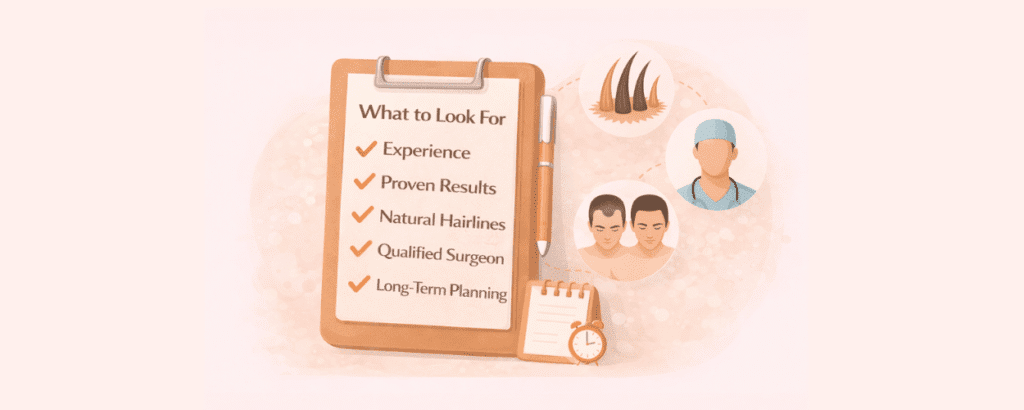
At Capital Hair Restoration, consultations focus on donor area assessment, graft availability, long-term planning, beard design, and realistic expectations. Our experienced team will provide an honest assessment of your suitability, explain the options available to you, and help you understand exactly what can be achieved with your donor supply.
Book your consultation today and take the first step towards understanding your beard restoration options.


Book Your Free Hair Transplant Consultation
Fill in your details and we'll get in touch with you shortly.