


Hair Transplants in London: Questions to Ask for Optimal Results
Hair Transplants in London: Questions to Ask for Optimal Results
Questions to Ask Before a Hair Transplant in London
How to Choose the Right Surgeon, Clinic, and Procedure for the Best Possible Results
Hair transplants are an exciting, life-enhancing step – but they’re also a big decision. With many clinics now offering procedures across London, from Harley Street to satellite clinics, how do you know you’re choosing the right one?
For most people, the biggest concerns come down to three things:
- Will it look natural?
- Will it be safe and effective?
- Will I get the support I need before, during and after?
Asking the right questions – early on – is one of the best ways to protect your investment and set yourself up for the most natural-looking, long-lasting outcome.
At Capital Hair Restoration, we encourage every patient to take their time, compare options, and ask detailed questions.
Whether you’re exploring hair transplants for the first time or ready to book a consultation, this guide will walk you through the most important things to ask your hair transplant surgeon – and what to look for in their answers.
1. What Are Your Qualifications and How Long Have You Been Doing Hair Transplants?
Why this matters:
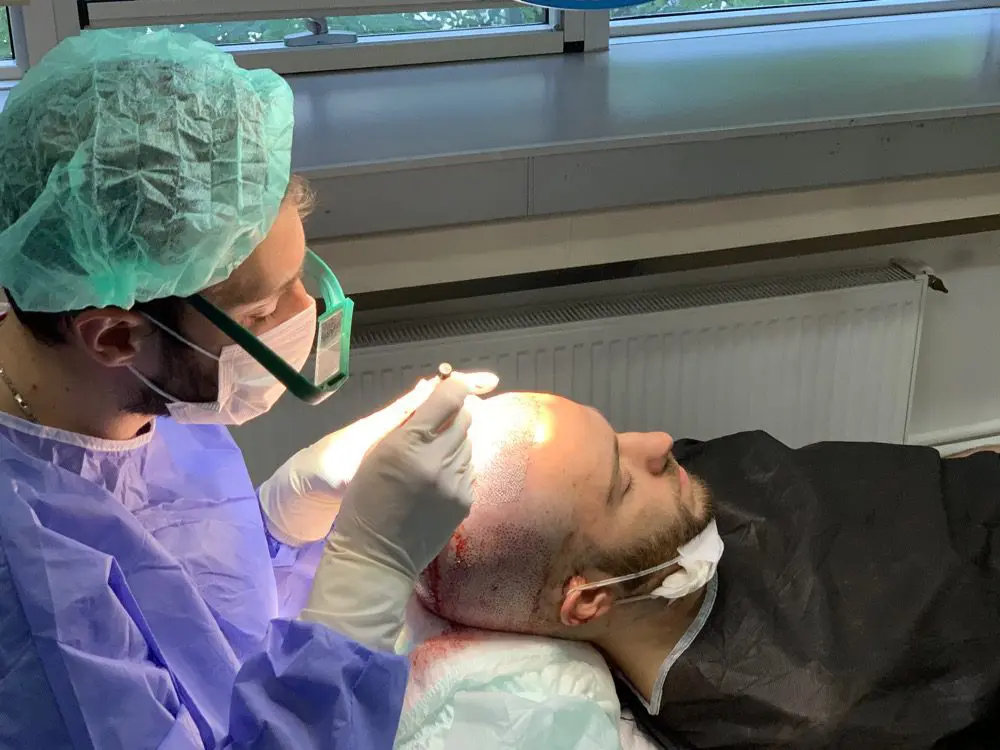
Hair restoration is a precise surgical skill. Not every cosmetic or plastic surgeon is trained in hair transplantation – and not all hair transplant clinics are surgeon-led.
Ask your clinic:
- Are your procedures led by GMC-registered doctors or surgeons?
- Are they experienced in both FUT and FUE hair transplantation?
- Are they affiliated with recognised professional bodies like Europe Hair Transplant Society
“The best clinics won’t hesitate to share credentials, case studies and outcomes. It’s not about selling you a service – it’s about earning your trust.”
– Steven Ambrose, Patient Liaison Team
Bonus tip: Ask how many procedures the surgeon performs personally each year. Are they hands-on or mostly supervising? Do they do one or two patients a day – or 10+?
2. Do You Offer Both FUE and FUT Hair Transplants, and Which Is Right for Me?
Why this matters:
There’s no one-size-fits-all in hair restoration. A good clinic will offer multiple techniques – and tailor the recommendation based on your goals, hair loss pattern, donor area, and lifestyle.
Ask your surgeon or specialist:
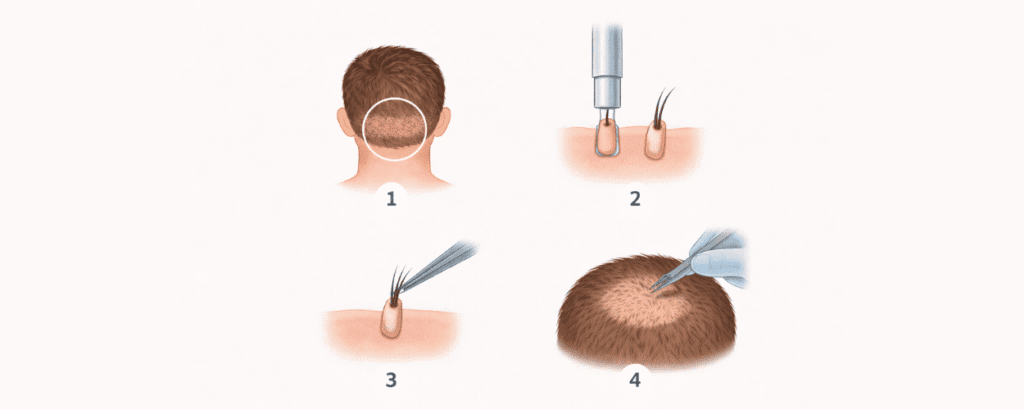
- What’s the difference between FUE and FUT?
- Which technique would work best for my hair loss and why?
- What are the pros and cons of each?
Quick Summary:
- FUE (Follicular Unit Extraction): No visible linear scar, shorter recovery, ideal for those who prefer short hair.
- FUT (Follicular Unit Transplantation): Involves a strip of scalp, may suit those with long hair or needing high graft counts.
Ask to see before-and-after images of each method, especially results from people with a similar hair type or pattern to yours.
3. Can I See Before-and-After Photos of Previous Patients?
Why this matters:
Photos are proof. Any reputable hair transplant clinic in London should be able to show you clear, unedited before-and-after images of real patients. These help you set realistic expectations and give you a feel for the clinic’s aesthetic approach.
Ask to see:
- Results from patients with a similar hair loss pattern to yours
- Outcomes from both FUE and FUT procedures
- Long-term photos – 1 year and beyond – to understand durability
“When I saw someone with a similar hairline to mine in their photo gallery, it instantly clicked. I could picture what mine might look like too.”– Nathan, 37, CHR London clinic
Tip: Don’t just focus on dramatic transformations. Look for subtleties – especially how natural the hairline looks up close. Ask if the photos are from procedures performed by your surgeon.
4. How Will You Design a Hairline That Looks Natural for Me?
Why this matters:
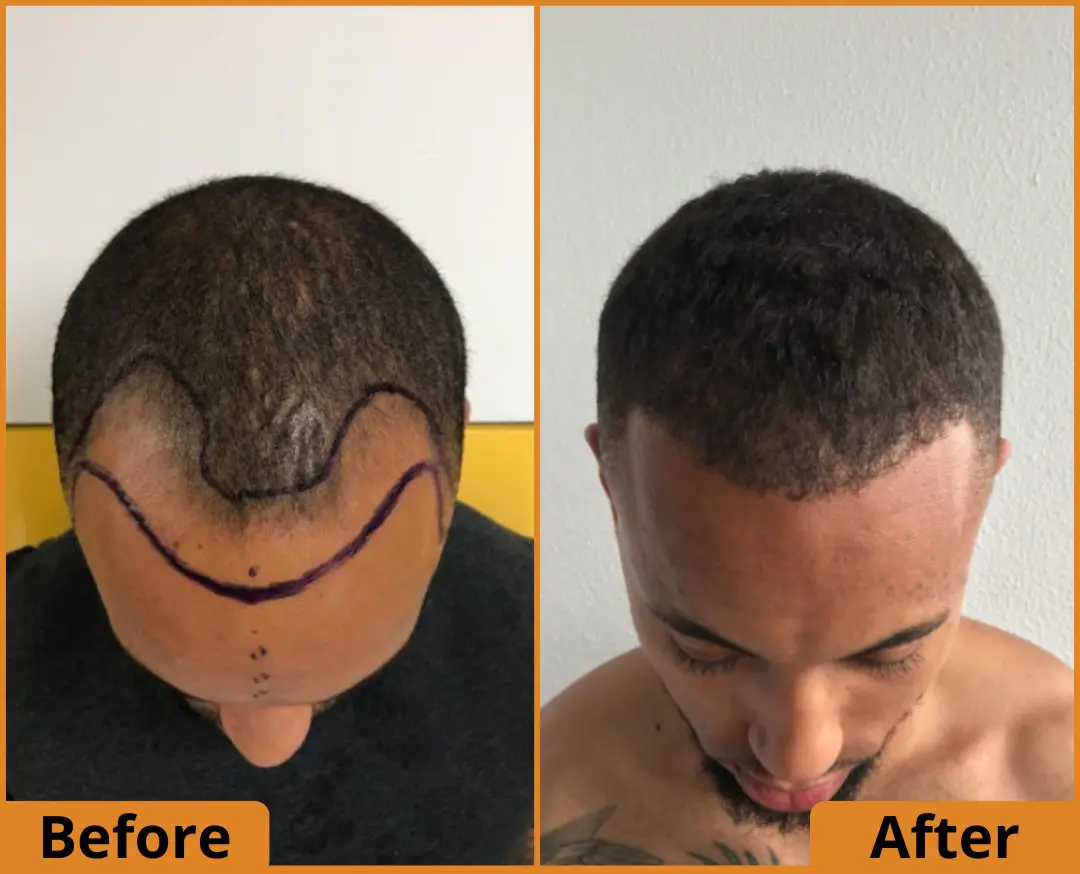
Your hairline is the most visible part of your transplant – and poor design can be the difference between a result that’s natural and one that’s noticeably “done.” A good clinic will prioritise facial balance, age-appropriate design, and future-proofing.
Ask your surgeon:
- How do you tailor a hairline to someone’s face shape, age, and long-term goals?
- Will I be involved in the design process?
- Can you show me examples of subtle, conservative hairlines – not just dramatic ones?
Look for signs that your surgeon has an artistic eye, not just technical skill. The goal isn’t just density – it’s harmony with your features.
“We see many clients who want a refreshed look, not a drastic change. A refined, mature hairline is often the most natural choice – and ages beautifully.”– Dr. Martin, Lead Surgeon at Capital Hair Restoration
5. How Many Grafts Will I Need and How Is That Calculated?
Why this matters:
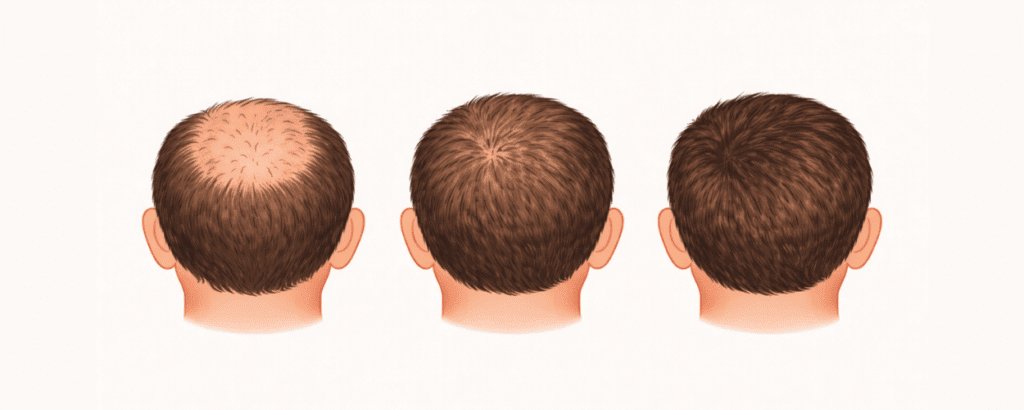
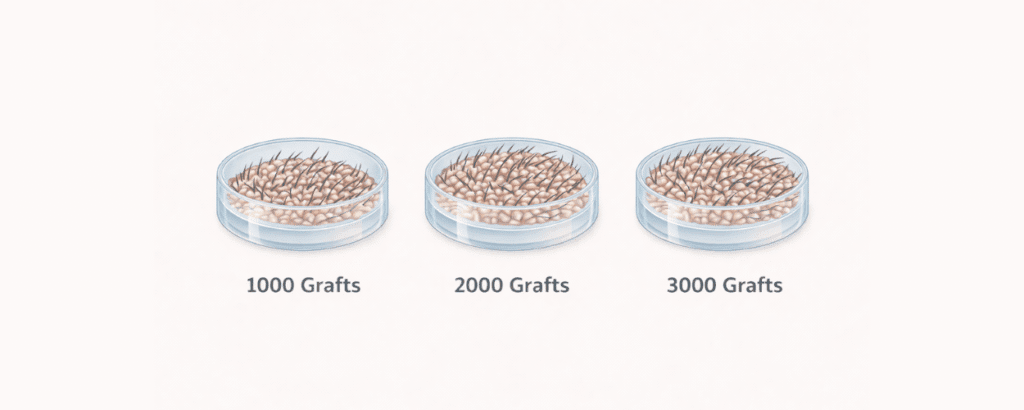
The number of grafts determines how much coverage you’ll get – and directly affects the cost. Clinics should base your graft plan on factors like your Norwood scale, donor area quality, and desired density – not guesswork.
Ask your clinic:
- How do you estimate the number of grafts I’ll need?
- Can you show me a visual breakdown using a graft calculator or Norwood scale?
- Will the grafts be spread across the entire area, or prioritised for certain zones (e.g. hairline vs crown)?
Avoid clinics that promise high graft numbers without assessing your donor area in detail – overharvesting can cause visible thinning or “patchy” results at the back of your head.
“They used a mirror and diagrams to show exactly how many grafts I needed and where they’d go. It made the whole plan feel tangible and honest.”– Justin, 40, CHR Harley Street
6. What Will the Procedure Feel Like, and How Do You Manage Pain?
Why this matters:
FUE and FUT hair transplants are minimally invasive, but they’re still surgical procedures. Knowing how discomfort is managed (before, during, and after) can make the experience far less intimidating and help you plan with confidence.
Ask your surgeon or consultant:
- What type of anaesthesia is used during the procedure?
- Will I be awake or sedated?
- How is comfort managed throughout the day?
At Capital Hair Restoration, for example, a local anaesthetic is used to numb both the donor and recipient areas. Patients remain awake, but relaxed – many listen to music, chat with the team, or even nap during the procedure.
“I was surprised by how chilled it felt. I had headphones on, and the team kept me totally at ease. Honestly, I’ve had dentist appointments that were more stressful.”– Ray, 36, CHR Turkey Package Patient
The procedure typically lasts between 4–8 hours depending on the number of grafts. You’ll have breaks, be given food and drink, and be monitored the entire time for comfort.
7. What Is Recovery Like After the Hair Transplant?
Why this matters:
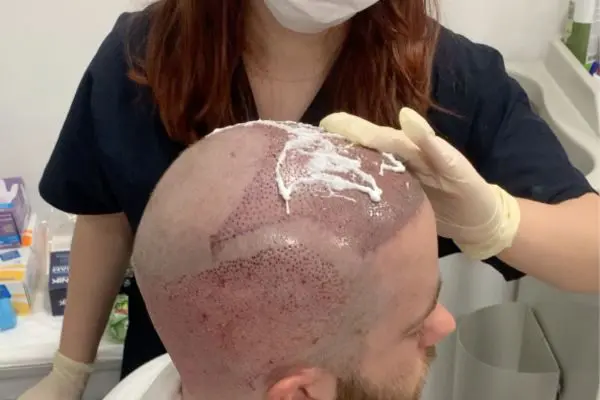
Knowing what to expect after the procedure is just as important as what happens in the chair. A clear understanding of healing timelines, aftercare routines, and support availability can make a major difference to your comfort and confidence.
Ask about:
- How sore or sensitive will my scalp feel afterwards?
- When can I return to work or normal activity?
- What should I do (or avoid) in the first 10 days?
- Will someone be available to guide me if I have concerns?
Most patients describe the first few days as mildly tender – like sunburn or having worn a tight hat. This fades quickly, and by Day 4–5, most people are back to light activity.
You’ll also want to ask about the aftercare kit provided. At CHR, for example, each patient receives:
- Saline spray to keep the scalp hydrated
- Pain relief and anti-inflammatory medication
- Specialist shampoo and aftercare instructions
- A neck pillow for sleeping comfortably without pressure on the grafts
“The aftercare was honestly top class. I messaged them on Day 3 about some itching, and my consultant replied within 10 minutes. It just made me feel really looked after.”– Daniel, 44, CHR London Clinic
8. What Are the Risks or Complications I Should Be Aware Of?
Why this matters:
Even though hair transplants are low-risk procedures when performed by skilled professionals, no surgery is without potential complications. The key is knowing what could happen – and more importantly, how the clinic will support you if it does.
Ask your clinic:
- What are the most common side effects after a hair transplant?
- What rare complications should I be aware of?
- How does your clinic handle post-operative issues?
Common side effects include:
- Mild swelling (usually resolves within 3–4 days)
- Redness or itchiness around the grafts
- Scabbing and some temporary shedding (shock loss)
- Tenderness or tightness in the donor area
Serious complications like infection or cysts are extremely rare – especially when treated in a clinical setting with high hygiene standards and proper follow-up care.
“They explained every possibility upfront, so nothing came as a surprise. It made me trust the team even more – because they weren’t sugar-coating it.”– James, 39, CHR Brighton
Bonus tip: Ask how many patients require revision or correction procedures. It’s a good indicator of their long-term success rate.
9. What Is the Full Cost, and What’s Included?

how much does a hair transplant cost
Why this matters:
Prices for hair transplants can vary significantly – not just between clinics, but based on graft number, technique, and aftercare. What looks like a lower price on the surface may not include vital services like follow-up appointments, aftercare packs, or anaesthesia.
Ask your clinic:
- What is the full cost of my hair transplant based on the recommended number of grafts?
- What exactly is included in the price?
- Are there any extra charges for aftercare, follow-up appointments, or medications?
Also ask whether the consultation is free and non-obligatory. At Capital Hair Restoration, for example, all consultations are free, and patients are given clear, upfront pricing before booking anything.
Don’t be afraid to ask about payment plans or financing. Reputable clinics often offer interest-free instalment options or staged payment plans to help you manage the investment.
“I didn’t want any financial surprises – and CHR were transparent from Day 1. The price included the consultation, procedure, aftercare pack, and follow-ups. No hidden extras.”– Harvey, 43, CHR Manchester
10. What Aftercare and Follow-Up Support Do You Provide?
Why this matters:
Aftercare is just as important as the surgery itself. A great transplant can still go wrong without the right support in the days and weeks that follow. Make sure the clinic doesn’t just treat you – but continues to care for you.
Ask your clinic:
- Will someone check in with me after surgery?
- How can I contact the team if I have questions?
- Are there follow-up reviews scheduled after the transplant?
- Can I send photos for progress checks?
At CHR, patients receive 7-day-a-week contact, video or in-person check-ins, and review appointments at 6 and 12 months.
11. What’s the Clinic Like – and How Will I Know If It’s Right for Me?
Why this matters:
Sometimes, it’s not just what the clinic says – it’s how the experience makes you feel. The best hair transplant clinics in London combine clinical excellence with a calm, professional environment that puts you at ease from your very first visit.
Here’s how to assess a clinic before committing:
- Is the space clean, modern, and clearly focused on hair restoration?
- Are staff warm, knowledgeable, and not pushy?
- Do you feel respected and informed during your consultation?
- Are patient reviews consistent with what you’re being told?
Visit the clinic in person if you can. Ask to see the consultation room, procedure area, and even speak with previous patients if they’re open to it.
“I visited two clinics – one felt like a conveyor belt. Capital Hair took their time. I wasn’t rushed, and I left feeling 100% confident I was in safe hands.”– Lewis, 36, CHR Harley Street
Additional Green Flags to Look For:
✅ Your consultation is handled by a trained medical advisor, not a salesperson.
✅ You receive a personalised treatment plan, not a generic quote.
✅ You’re shown a range of case studies, not just the best ones.
✅ You’re offered ongoing support before and after surgery – not left to Google your questions.
✅ The team discusses long-term maintenance, not just a one-off solution.
Why Capital Hair Restoration?
At Capital Hair Restoration, we’re committed to doing things properly – with care, transparency, and exceptional results. Our clinics in London, Essex, Manchester, and Istanbul are led by experienced surgeons and supported by a full-time team who specialise in hair restoration and nothing else.
We offer:
- Free, honest consultations – in person or via video
- Full transparency on techniques, costs, and results
- Customised FUE and FUT solutions based on your goals
- Comprehensive aftercare and long-term support
- A calm, discreet clinic experience designed around you
Whether you’re just starting your research or ready to take the next step, we’re here to support you through it – without pressure, and with complete clarity.
“From the very first conversation to the day of surgery and beyond, I felt supported. I wasn’t just a number – they genuinely cared about getting it right for me.”– Malik, 39, CHR client
Your Next Step
Choosing a hair transplant clinic is one of the most important decisions you will make during your hair restoration journey. The right clinic should welcome questions, provide clear answers, and help you understand exactly what is achievable before you commit to treatment.
At Capital Hair Restoration, we encourage patients to take their time, compare options, and make informed decisions based on evidence rather than sales promises. Every consultation is designed to give you a clear understanding of your hair loss, treatment options, expected results, and long-term strategy.
During your consultation, we will:
- Assess your hair loss pattern and donor area
- Discuss your suitability for FUE and FUT procedures
- Explain graft requirements, costs, and realistic expectations
- Show real patient results from similar cases
- Create a personalised treatment plan tailored to your goals
Consultations are available across the UK, including Harley Street, London, Chelmsford, Cambridge, Guildford, Reading, Watford, Portsmouth, and Southampton.
The best hair transplant results begin long before the day of surgery. They start with asking the right questions, understanding your options, and choosing a team that prioritises natural results, patient safety, and long-term planning.
Book your free consultation today and get expert answers to your questions, personalised advice, and a clear plan for your hair restoration journey.

Book Your Free Hair Transplant Consultation
Fill in your details and we'll get in touch with you shortly.