


Can You Lose Transplanted Hair?
Can You Lose Transplanted Hair?

A common concern after surgery is: can you lose transplanted hair?
It is completely normal to notice changes in your hair in the weeks and months following a hair transplant. In fact, many patients are surprised to see transplanted hairs fall out shortly after the procedure. This can feel worrying, but in most cases, it is an expected and temporary part of the process.
Understanding the difference between normal shedding and actual loss of transplanted hair is essential. While transplanted follicles are designed to be permanent, the visible hair you see after the procedure goes through a natural cycle before new growth begins.
Does Transplanted Hair Fall Out?
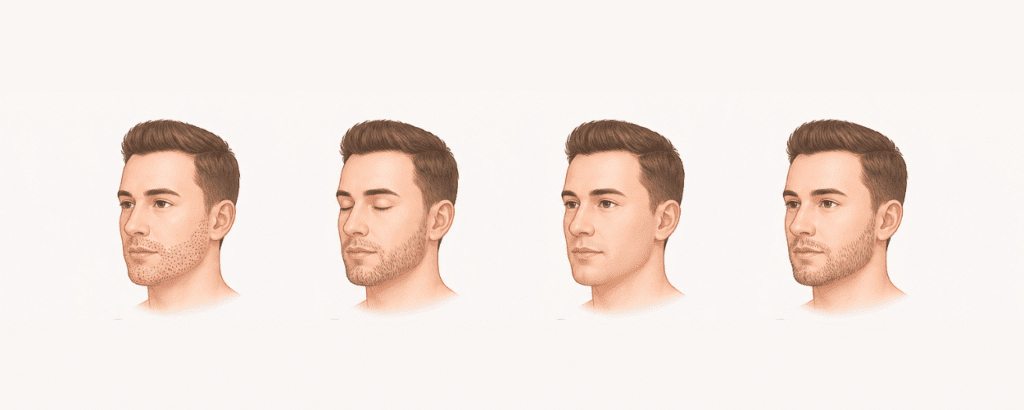
Yes, transplanted hair often falls out within 2 to 4 weeks after a hair transplant. This is a normal process called shedding or shock loss. The hair follicle remains in place and begins producing new hair within a few months.
In the weeks after a hair transplant, it is normal for the transplanted hairs to fall out. This phase is often referred to as “shedding” or “shock loss”.
What Is Shock Loss After a Hair Transplant?
Shock loss refers to the temporary shedding of transplanted or surrounding hair after surgery.
This typically occurs between 2 and 4 weeks after the procedure.
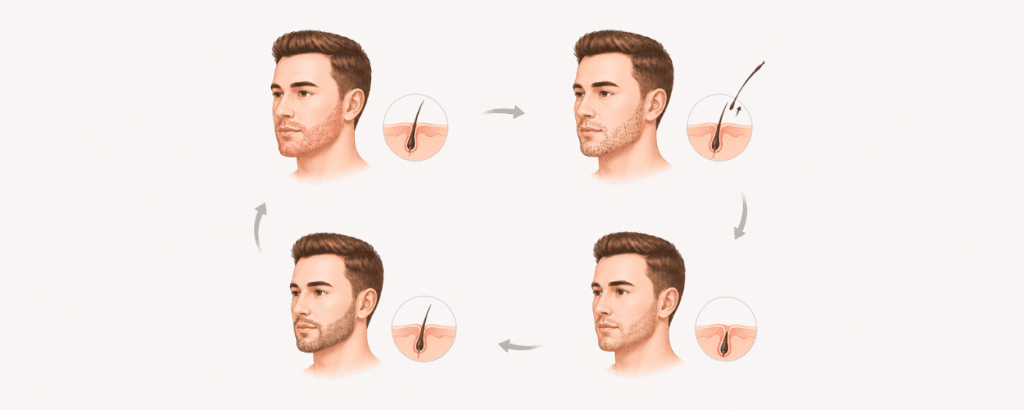
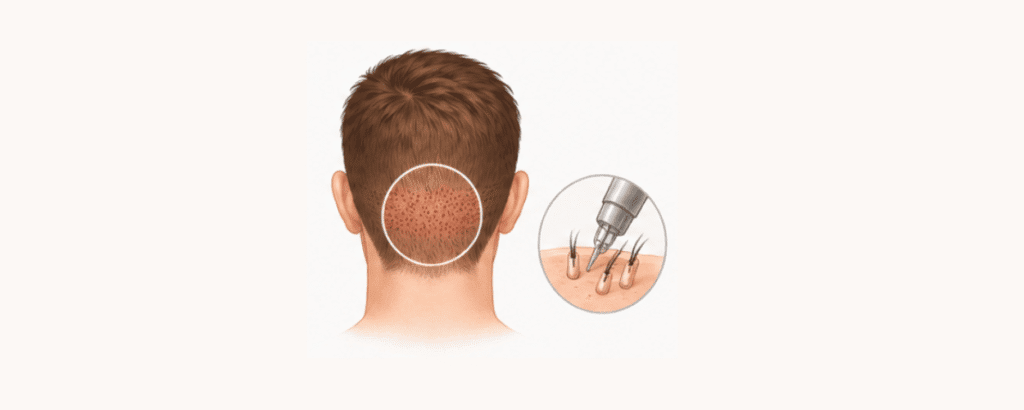
Although it may look like the transplant has failed, this shedding is actually a standard part of the hair growth cycle. The hair shaft falls out, but the follicle remains in place beneath the skin.
Over time, the follicle begins producing new hair, which gradually grows and thickens.
At Capital Hair Restoration, we always explain to patients that early shedding is expected. It is part of the process, not a sign that the transplant has failed.
Darryl King – Capital Hair Restoration – Hair Consultant
Why Does Transplanted Hair Shed?
Hair grows in cycles, and a transplant temporarily disrupts this cycle.
When follicles are moved from one part of the scalp to another, they enter a resting phase. During this time, the existing hair sheds before new growth begins.
This process is similar to how natural hair behaves, but it is more noticeable after a transplant because many hairs are affected at the same time.
The key point is that the follicle itself remains intact. It is the visible hair that sheds, not the root responsible for future growth.
Can Transplanted Hair Be Lost Permanently?
In most cases, transplanted hair is not lost permanently.
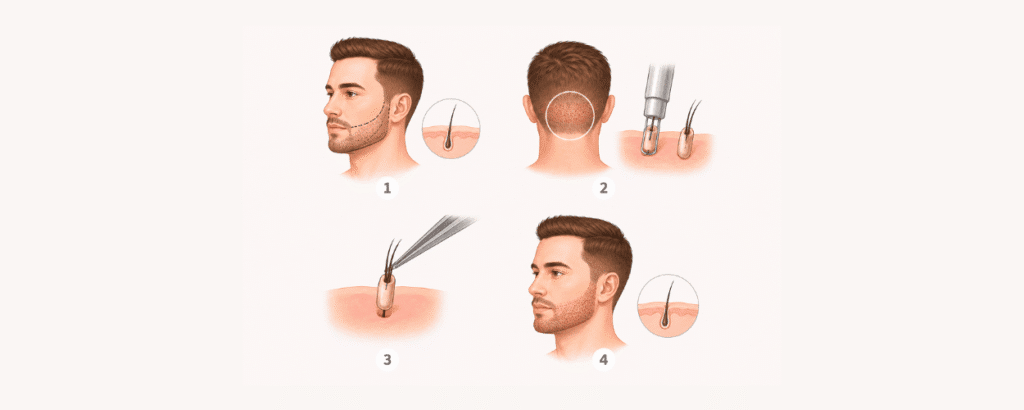
The follicles used in a hair transplant are taken from areas that are resistant to DHT, the hormone responsible for male pattern baldness. Because of this, they are designed to continue growing hair long-term once they have successfully settled.
However, there are situations where grafts can be lost.
This is most likely to occur in the early stages of recovery, before the follicles have fully anchored in place. During this time, factors such as excessive touching, friction, or not following aftercare instructions can affect graft survival.
After the first 7 to 10 days, the grafts are usually secure, and the risk of losing them is significantly reduced.
Is It Normal to Worry About Hair Loss After a Transplant?
It is very common for patients to feel concerned when they see shedding after a hair transplant.
Because the change is visible, it can feel like the procedure has not worked. In reality, this stage is expected and temporary.
New growth typically begins within a few months, and the hair gradually becomes thicker and more consistent over time.
Understanding this timeline helps reduce unnecessary worry and allows you to focus on the longer-term result.
Hair Transplant Shedding & Regrowth Timeline
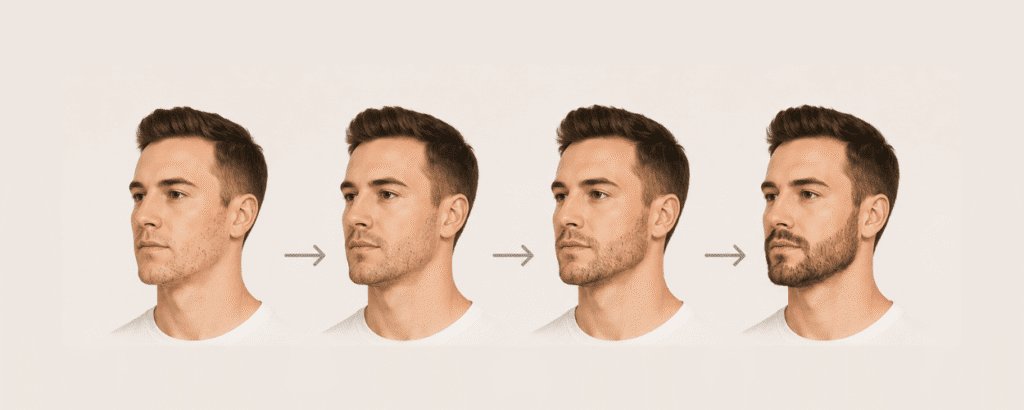
To fully understand whether you can lose transplanted hair, it helps to look at the typical timeline after a procedure.

Weeks 1 to 2: Initial healing
In the first couple of weeks, the transplanted grafts are settling into the scalp. Small scabs form and gradually fall away as healing progresses.
At this stage, the hairs are still in place, and there is usually little visible change beyond redness or mild sensitivity.
Weeks 2 to 4: Shedding phase
This is when most patients notice transplanted hair falling out.
This shedding is completely normal and expected. The follicles enter a resting phase, and the visible hair shafts are released. Although it may appear as though the transplant is reversing, the follicles remain intact beneath the skin.
Months 3 to 4: Early regrowth
New hair begins to grow from the transplanted follicles.
At first, this hair may appear fine or uneven. This is part of the natural process, and thickness improves over time.
Months 6 to 9: Noticeable improvement
Hair becomes denser and more consistent across the treated areas.
At this stage, most patients begin to see a clear improvement in coverage and overall appearance.
12 months and beyond: Final result
The transplanted hair reaches maturity, with full thickness and natural growth patterns.
At this point, the results are typically long-lasting and blend seamlessly with existing hair.
A hair transplant is a gradual process. Shedding is an early phase, but regrowth is where the real results begin to show.
Steve Ambrose – Capital Hair Restoration – Hair Consultant
Your Next Step
Seeing transplanted hair fall out after a procedure can be worrying, especially if you are not expecting it. However, in most cases, shedding is a completely normal part of the hair transplant process and an important step before new, permanent growth begins.
At Capital Hair Restoration, every patient receives detailed guidance before and after treatment so they understand exactly what to expect during recovery. From the initial healing phase through to regrowth and final results, our team is available to provide reassurance, support, and expert advice.
During your consultation, we will:
- Assess your hair loss and donor area
- Explain the full recovery and regrowth timeline
- Discuss what is normal after a hair transplant, including shedding and shock loss
- Show real patient results from similar cases
- Create a personalised treatment and recovery plan
Consultations are available across the UK, including Harley Street, London, Chelmsford, Cambridge, Guildford, Reading, Watford, Portsmouth, and Southampton.
The most successful patients are often those who understand that hair restoration is a journey rather than an instant transformation. Temporary shedding can feel unsettling, but it is usually a sign that the follicles are progressing through the normal growth cycle on their way to producing new, permanent hair.
Book your free hair transplant consultation today and learn what to expect before, during, and after treatment, including how shedding and regrowth fit into the path towards your final result.
Hair Transplant Shedding FAQs
Does transplanted hair fall out?
Yes, it usually sheds within 2 to 4 weeks as part of the normal process.
Is it normal for transplanted hair to fall out?
Yes, this is expected and temporary.
Can transplanted hair fall out permanently?
In most cases no, as the follicles remain intact and continue growing.
What is shock loss after a hair transplant?
Shock loss is temporary shedding of transplanted or surrounding hair.
When does new hair grow after a transplant?
New growth usually starts around 3 to 4 months.



Book Your Free Hair Transplant Consultation
Fill in your details and we'll get in touch with you shortly.