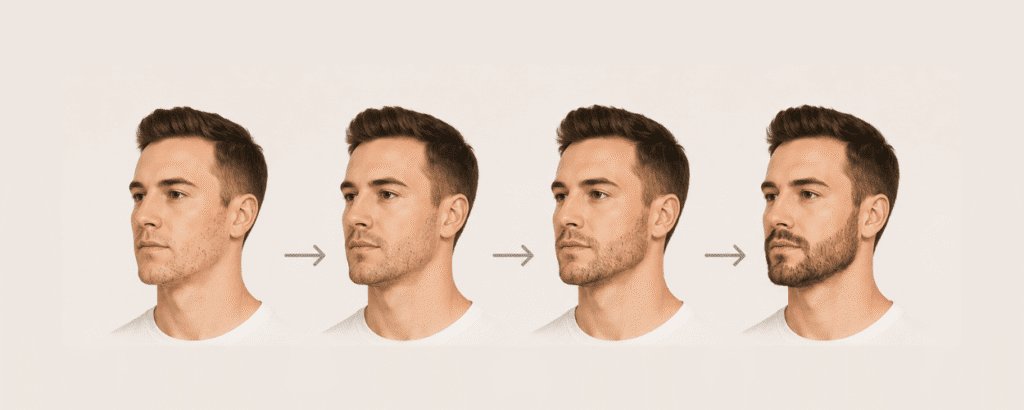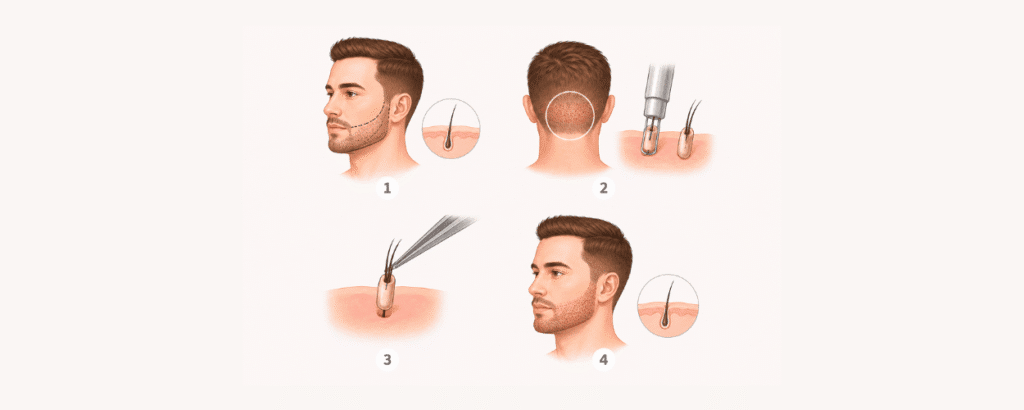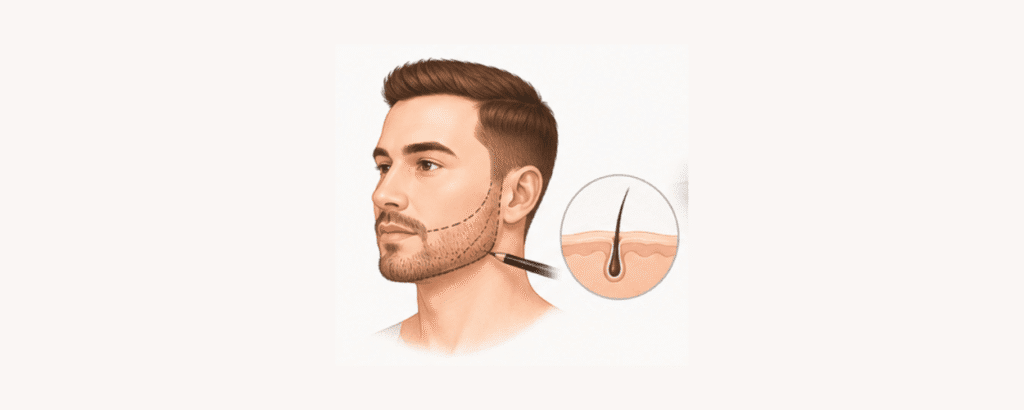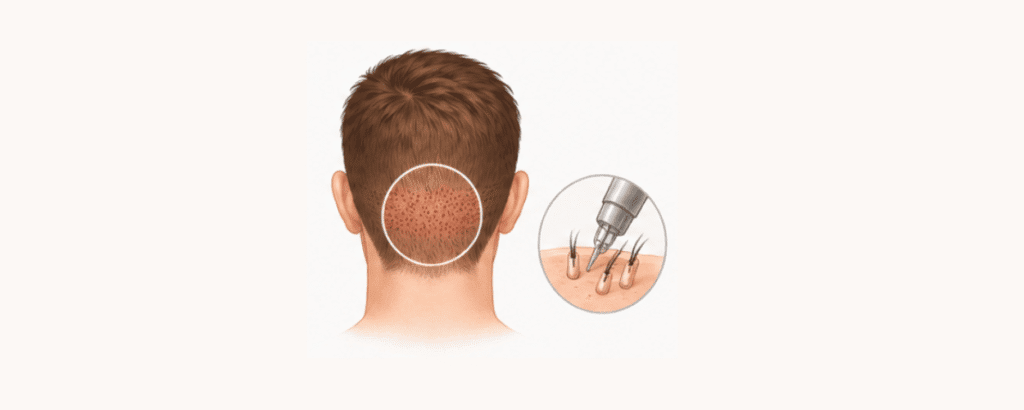



Complete Guide to Male Pattern Baldness & Hair Follicle Surgery (UK Patients)
Complete Guide to Male Pattern Baldness & Hair Follicle Surgery (UK Patients)

Causes and Stages of Male Pattern Baldness
Male pattern baldness (also known as androgenetic alopecia) is the most common cause of hair loss in men. According to the NHS, it affects around half of men over 50 and steadily increases with age. By 80, as many as four out of five men will notice significant thinning or balding.
While hair loss is often viewed as a natural part of ageing, it can take a toll on self-confidence, appearance, and everyday life. The good news is that treatments have advanced dramatically. Today, men have access to effective options ranging from medications and regenerative therapies to permanent surgical solutions such as a hair transplant (hair follicle surgery).
At Capital Hair Restoration, we have carried out more than 8,000 successful procedures, helping patients across the UK restore not just their hair but their confidence. With local consultations and follow-up care clinics nationwide and surgical teams in the UK and Turkey, we provide treatment that combines medical expertise, accessibility, and seamless aftercare.
This guide will walk you through everything you need to know about male pattern baldness: its causes, the stages of progression, and the full range of treatment options, from early interventions to advanced hair follicle restoration surgery, commonly known as a hair transplant.
What Is Male Pattern Baldness?
Male pattern baldness is a type of progressive hair loss caused by a combination of genetic predisposition and hormonal influence. Unlike temporary shedding, the condition leads to the gradual shrinking, or “miniaturisation,” of hair follicles. Over time, these follicles produce thinner, weaker strands until they stop growing altogether.
The condition follows a predictable pattern:
- Hair typically begins to recede at the temples.
- Thinning develops at the crown (top of the scalp).
- Eventually, these bald areas expand and may meet, leaving only a band of hair around the sides and back of the head.

This pattern is why doctors refer to it as androgenetic alopecia:
- Androgenetic: influenced by androgens, which are male hormones such as testosterone and dihydrotestosterone (DHT).
- Alopecia: the medical term for hair loss.
Understanding Androgenetic Alopecia (Male vs Female Patterns)
Both men and women can experience androgenetic alopecia, but the pattern differs. In women, hair usually thins more diffusely across the scalp. In men, hair loss is concentrated at the front hairline and crown, often creating an “M-shaped” recession or circular bald spot.
Why It Matters
Male pattern baldness is a progressive condition. Once follicles have completely miniaturised, medication can no longer revive them. At this stage, hair transplant (hair follicle surgery) becomes the only permanent option, relocating healthy donor follicles to restore natural growth. By relocating healthy follicles from the donor area at the back and sides of the scalp, surgeons can restore natural growth in thinning or balding areas. There are a two main hair transplant methods (FUE and FUT) to achieve this, with FUE surgical hair transplants being the most common approach.
“At Capital Hair Restoration, we understand that hair loss is not just about appearance – it affects confidence, relationships, and daily life. That’s why we focus on combining medical expertise with personalised care, ensuring every patient feels supported from their first consultation to their final results.”
— Darryl King, CEO, Capital Hair Restoration
Causes of Male Pattern Baldness
Male pattern baldness develops as a result of three main factors: genetics, hormones, and age. While stress and lifestyle can influence the rate of hair shedding, the root cause of this type of hair loss is biological.
Genetics and Family History
Male pattern baldness is strongly hereditary. If you have close relatives with the condition, particularly on your mother’s side, your likelihood of experiencing it is significantly higher. Research shows that a gene located on the X chromosome, called the androgen receptor (AR) gene, plays a role in how sensitive your hair follicles are to male hormones. This is why many men can often trace their hair loss back through generations of their family.
Hormonal Influence: The Role of DHT
The hormone most closely linked to male pattern baldness is dihydrotestosterone (DHT). DHT is a by-product of testosterone and is essential for male development during puberty, including body and facial hair growth. However, later in life, DHT becomes a key factor in scalp hair loss.

In men who are genetically predisposed, DHT binds to receptors in the scalp’s hair follicles, causing them to shrink. This process is known as miniaturisation. As follicles shrink, they produce hair that is progressively thinner and shorter until growth stops entirely. This is why some areas of the scalp, such as the temples and crown, are more vulnerable to baldness, while the back and sides of the head usually retain hair growth.
Age and Progression
Age is another major factor. While male pattern baldness can begin in the late teens or twenties, it is more common to see signs developing in the thirties and forties. According to the NHS, around a quarter of men notice hair loss before the age of 21, and by age 50, approximately half of men are affected. The likelihood increases steadily with each decade.
Lifestyle Factors
Although genetics, hormones, and age are the primary drivers, lifestyle factors can influence how noticeable male pattern baldness becomes. Poor diet, smoking, high stress, and lack of sleep may accelerate hair thinning, although they do not cause the condition itself. Some evidence suggests that diets rich in protein, vitamins, and minerals can help maintain healthier hair for longer.
Myths About Male Pattern Baldness
It is important to clear up some common myths. Male pattern baldness is not caused by:
- Wearing hats too often.
- Using certain shampoos.
- Poor blood circulation to the scalp.
These misconceptions often add to anxiety but have no scientific basis. The reality is that male pattern baldness is primarily genetic and hormonal.
📌 Key Takeaway: Male pattern baldness occurs when genetic sensitivity to DHT causes hair follicles to shrink over time. Age accelerates this process, while lifestyle can influence how quickly it becomes noticeable.
Stages of Male Pattern Baldness: The Norwood Scale

Male pattern baldness develops in a gradual, recognisable pattern. To help classify the progression, doctors use the Hamilton–Norwood Scale, the most widely adopted system for measuring the severity of male hair loss. It divides baldness into seven stages, from barely noticeable thinning to advanced balding.
Understanding your stage is important because it helps determine which treatments are likely to be effective. For example, medications may slow or stabilise loss in the early stages, while hair transplants (hair follicle surgery) become the most reliable option in later stages.
Stage 1
There is little to no visible recession. Hairlines remain youthful, and density is normal. At this stage, treatment is usually not necessary, but men with a family history of baldness may begin monitoring their hair health closely.
Stage 2
A slight recession appears at the temples, often forming a subtle “M” shape. This is typically the first visible sign of male pattern baldness. Early intervention with medication such as finasteride or topical minoxidil may help preserve density.
Stage 3
Recession deepens around the temples, forming a more pronounced M- or U-shaped hairline. Some men may also begin to notice thinning at the crown. This stage is usually when patients first seek professional advice.
Stage 4
Balding at the crown becomes more noticeable, and temple recession is deeper. However, a strip of hair usually separates the bald crown from the front hairline. Treatment options now expand to include surgical restoration for men seeking permanent regrowth.
Stage 5
The bald areas at the crown and temples enlarge and begin to merge, with only a thin band of hair remaining between them. Density in this bridge area often continues to decline. Hair follicle surgery is usually recommended at this stage for natural restoration.
Stage 6
The bridge of hair connecting the crown and hairline is gone, leaving a large balding area on the top of the scalp. Only the sides and back remain dense enough to serve as donor regions for a transplant.
Stage 7
This is the most advanced stage of male pattern baldness. Only a narrow band of hair remains around the sides and back of the scalp. Options for hair restoration become more limited, but carefully planned follicle surgery can still achieve improvements depending on donor availability.

📌 Key Takeaway: The Norwood Scale highlights that male pattern baldness is a progressive condition. The earlier you identify your stage, the more treatment options you have. For advanced cases, hair follicle surgery provides the most permanent and natural-looking solution.
Non-Surgical Treatments for Male Pattern Baldness
Not every man experiencing hair loss will need or want surgery straight away. In the early to mid stages of male pattern baldness, non-surgical treatments can slow down the process, stimulate regrowth in thinning areas, and help preserve your existing hair. While results vary from person to person, these options are often the first step in a comprehensive treatment plan.
Medications
Two of the most widely used and clinically proven medications for male pattern baldness are finasteride and minoxidil.
- Finasteride is an oral tablet that works by lowering levels of dihydrotestosterone (DHT), the hormone responsible for shrinking hair follicles. By reducing DHT, finasteride helps to stabilise hair loss and, in some cases, encourage regrowth in areas of thinning. It is most effective when taken daily and consistently over the long term. Some men may experience side effects, so a consultation with a specialist is essential before starting treatment.
- Minoxidil is a topical foam or solution applied directly to the scalp. It works by increasing blood flow and nutrient delivery to the hair follicles, helping to prolong the growth phase of the hair cycle. Minoxidil is most effective at the crown but can also be used across the scalp to support density. As with finasteride, results take several months of consistent use, and stopping treatment can lead to a resumption of hair loss.
Both medications are commonly used together for a stronger effect, particularly in the early stages of male pattern baldness.
Platelet-Rich Plasma (PRP) Therapy

PRP therapy is a regenerative treatment that uses the patient’s own blood. A small sample is taken, processed to concentrate the platelets, and then re-injected into the scalp. Platelets are rich in growth factors that stimulate follicle activity and improve scalp health.
This treatment has gained popularity in recent years because it is natural, minimally invasive, and involves very little downtime. PRP is often used as a stand-alone treatment in the early stages of hair loss or as a complementary therapy alongside a hair transplant to boost healing and maximise growth.
Low-Level Laser Therapy (LLLT)

Low-Level Laser Therapy uses specialised devices, such as laser caps or in-clinic machines, to deliver light energy to the scalp. This energy helps to improve circulation and cellular function within the follicles, encouraging stronger, thicker hair growth.
While results are usually modest compared to surgery, LLLT is painless, non-invasive, and can be used long term. Many men find it works best when combined with other treatments, including PRP and medication.
Nutrition and Lifestyle Support
Although diet and lifestyle cannot stop genetically driven baldness, they do play a role in overall hair health. A diet rich in protein, vitamins (particularly D, B12, and biotin), and minerals such as zinc and iron can help maintain stronger, healthier hair. Managing stress, getting enough sleep, and avoiding smoking may also support better outcomes from other treatments.
📌 Key Takeaway: Non-surgical treatments can slow down the progression of male pattern baldness and improve density, especially in the early stages. For men with more advanced loss, these options can also enhance the results of the hair follicles after a hair transplant surgery. At Capital Hair Restoration, we often recommend a combined approach tailored to each patient’s stage of hair loss and lifestyle.
Hair transplant (hair follicle surgery)
For men with moderate to advanced male pattern baldness, non-surgical treatments can only go so far. Once hair follicles have fully miniaturised and stopped producing hair, medications or regenerative therapies cannot restore them. At this point, the only permanent solution is hair follicle surgery, more commonly known as a hair transplant.
How Hair Transplants Work
A hair transplant involves relocating healthy hair follicles from a donor area – typically the back and sides of the scalp, where hair is genetically resistant to DHT – to thinning or balding areas such as the crown or hairline. Because the transplanted follicles retain their resistance, they continue to grow naturally in their new location for life.
The result is permanent, natural-looking hair that blends seamlessly with your existing hair. At Capital Hair Restoration, all transplant procedures are carried out by experienced surgical teams in either the UK (Harley St, Brighton, Southampton, Guildford, Essex and more) or Turkey, with the same medical protocols and aftercare support.
FUE vs FUT: Two Techniques
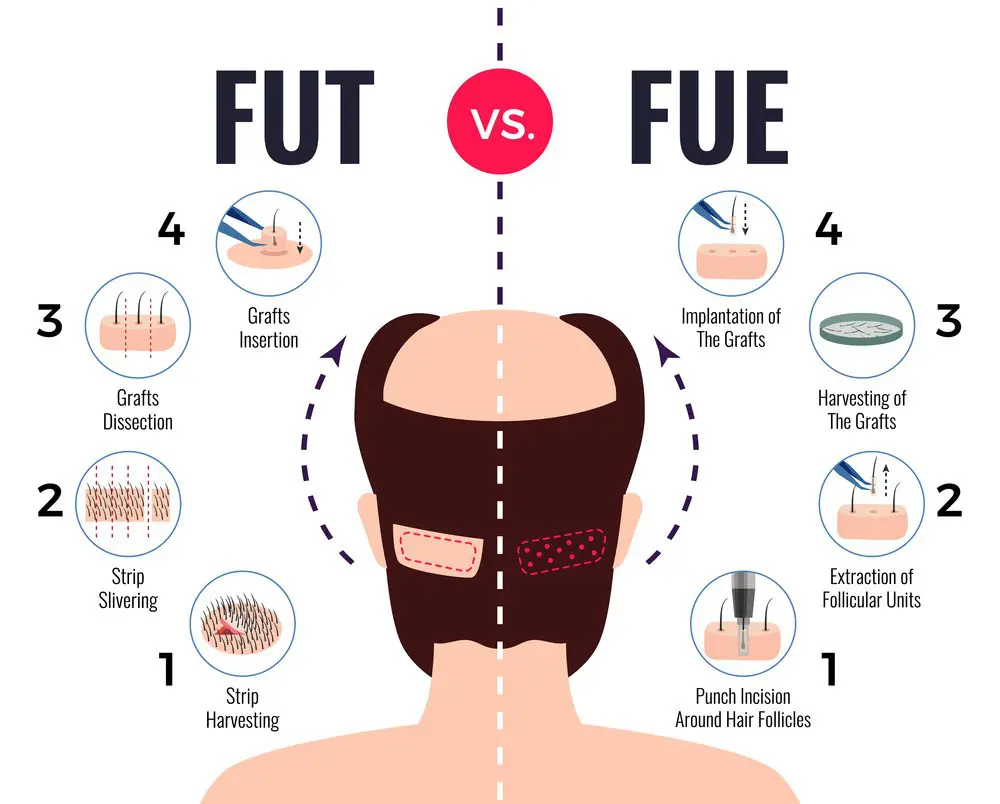
Methods of hair transplantation fut vs fue poster with infographic elements on white background vector illustration
There are two main hair transplant techniques used:
FUE (Follicular Unit Extraction):
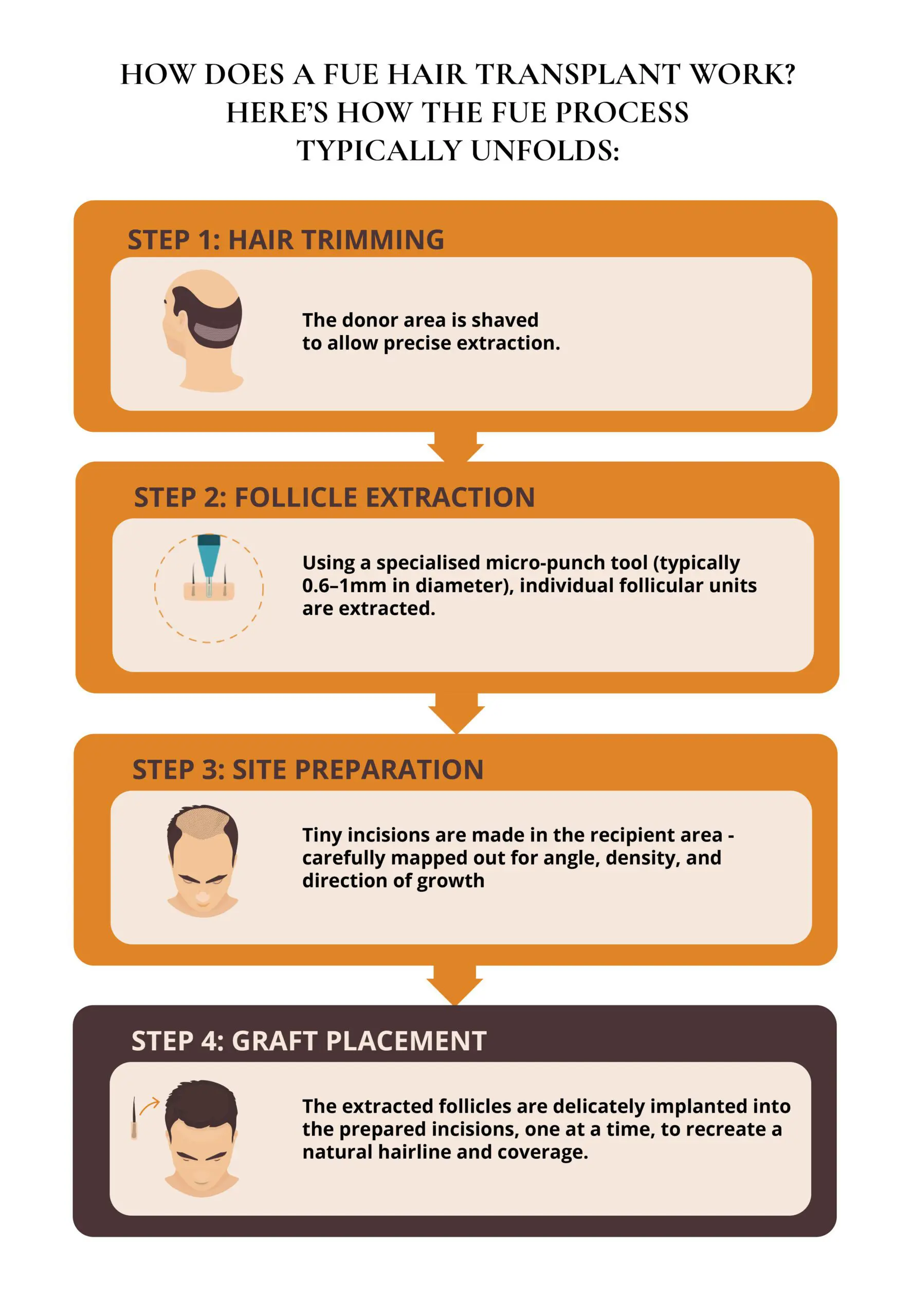
In FUE, individual follicles are extracted one by one using a specialised tool and then implanted into the balding area. This method leaves minimal scarring, heals quickly, and is currently the most popular choice among patients.
FUT (Follicular Unit Transplantation):
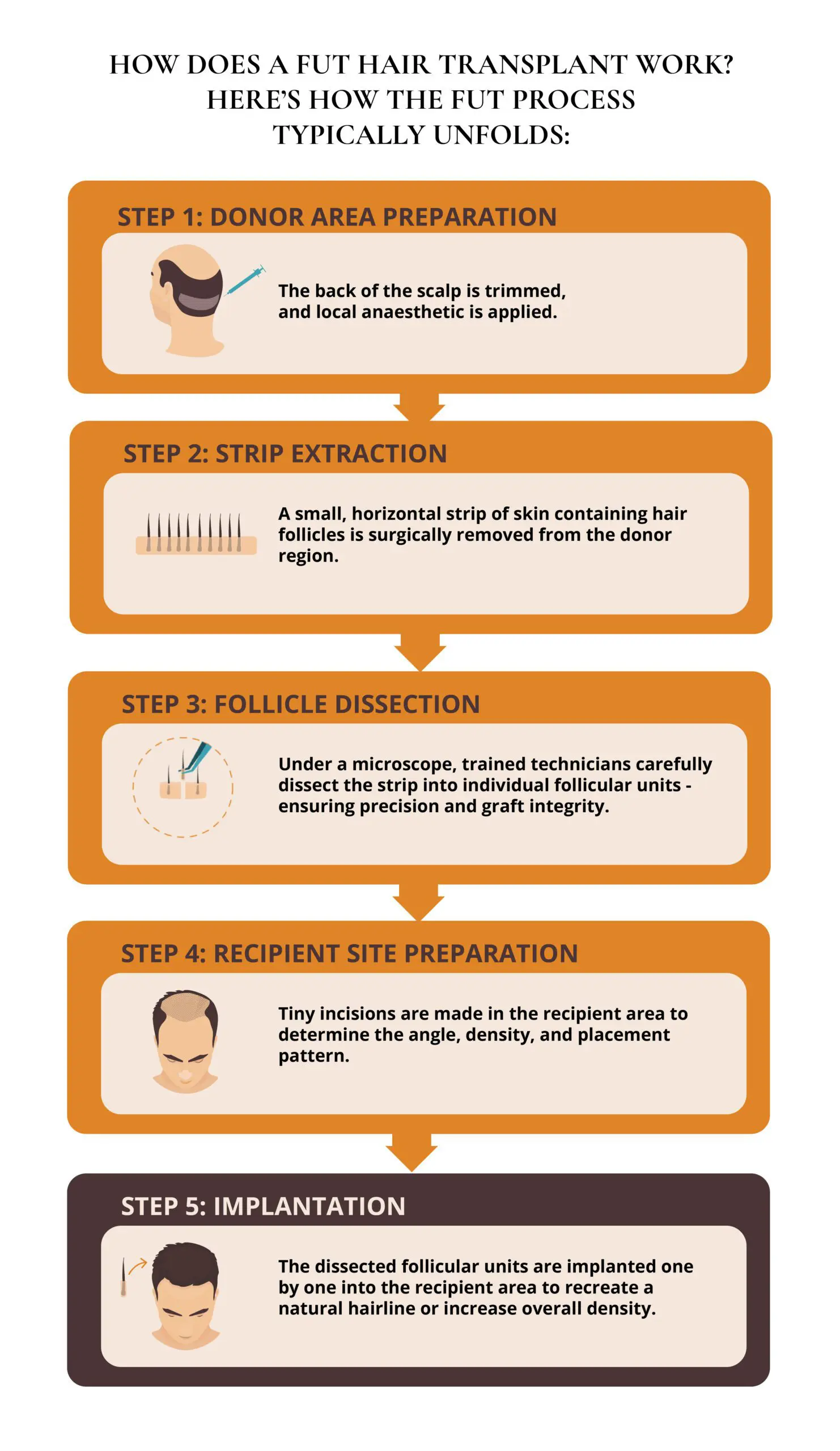
Also known as the strip method, FUT involves removing a thin strip of scalp from the donor area, from which follicles are then dissected and transplanted. While this method can be more efficient for larger graft numbers, it leaves a linear scar at the back of the head, which may be visible with shorter hairstyles.
Both methods can achieve excellent results, and the best choice depends on factors such as hair loss stage, donor availability, hairstyle preferences, and long-term planning.
Recovery and Results
Recovery after a hair transplant is straightforward, though patients should expect some redness, scabbing, and mild swelling in the days following surgery. Most men return to work within a week. Transplanted hairs typically shed in the first few weeks before entering a new growth cycle. Noticeable regrowth usually begins after 3–4 months, with full results visible between 9–12 months.
Why Choose Capital Hair Restoration?
With more than 8,000 successful hair transplant procedures performed, Capital Hair Restoration combines surgical expertise with personalised patient care. What sets us apart is our integrated UK and Turkey model:
- UK patients benefit from local consultations and follow-up care clinics nationwide, ensuring you’re supported before and after your procedure.
- Surgery can be performed in either the UK or Turkey, offering flexibility on cost while maintaining the same medical standards.
- Every patient receives a bespoke treatment plan, designed to achieve natural density and restore confidence.
📌 Key Takeaway: Hair transplants are the only permanent solution to restore hair once male pattern baldness has advanced. With techniques such as FUE and FUT, patients can achieve natural, lifelong results. At Capital Hair Restoration, we make the process accessible, safe, and results-driven for men across the UK.
Which Treatment Is Right for You?
The best treatment for male pattern baldness depends on how advanced your hair loss is. Doctors often use the Norwood scale to classify stages, from early thinning to advanced baldness.
Instead of one-size-fits-all solutions, treatment works best when matched to your stage:
- Early (Norwood 1–2): Medications such as finasteride and minoxidil, along with PRP therapy or laser treatments, can help preserve density and slow progression.
- Moderate (Norwood 3–4): A combined approach is most effective. Many men choose hair transplant surgery (FUE or FUT), including specialised options such as afro hair transplant for men with textured hair, to restore the hairline or crown, while continuing medication to protect existing hair.
- Advanced (Norwood 5–7): At this stage, surgery offers the most reliable results. Larger sessions or FUT may be recommended to maximise graft yield, depending on donor availability.
📌 Key Takeaway: The earlier treatment begins, the more options are available. For advanced cases, hair follicle surgery (hair transplant) provides the only permanent solution. A consultation with a hair restoration specialist ensures you get a personalised plan that fits both your current stage and your long-term goals.
Living With Male Pattern Baldness
While male pattern baldness is a physical condition, its impact goes far beyond the scalp. For many men, hair is closely tied to self-image, confidence, and even how youthful or healthy they feel. The emotional side of hair loss should never be underestimated.
The Emotional Impact
Research shows that men experiencing hair loss are more likely to report issues with self-esteem, social anxiety, and even depression. For some, hair thinning may influence personal relationships or career confidence, particularly in industries where appearance plays a role.
It’s important to remember that these feelings are common and valid. Male pattern baldness affects more than half of men by age 50, which means millions share the same experience.
Coping Day-to-Day
Not every man chooses medical or surgical treatment right away. Many adopt short-term strategies to manage how hair loss affects their daily lives:
- Hairstyles: Shorter cuts often make thinning less noticeable and can give a cleaner, more even appearance.
- Styling products: Volumising shampoos or fibres can temporarily make hair look thicker.
- Headwear: Hats, caps, or even scalp micropigmentation (a cosmetic tattooing technique) are options for those who want to conceal baldness.
While these approaches can help, they do not stop or reverse the progression of male pattern baldness.
The Choice to Treat
Ultimately, deciding whether to treat male pattern baldness is a personal decision. Some men embrace their hair loss as part of their identity, while others feel it does not represent how they want to look or feel. Neither approach is right or wrong — it comes down to what makes you comfortable and confident.
For men who want to take action, today’s treatments range from simple daily medications to advanced procedures such as a hair transplant. The advantage of a hair transplant is that it offers a permanent, natural solution rather than a temporary fix. Many patients describe it as a turning point, helping them feel like themselves again.
Support Beyond Surgery

At Capital Hair Restoration, we recognise that living with hair loss is not only about physical change but also about emotional wellbeing. That’s why we provide ongoing support before, during, and after treatment. From the first consultation, our specialists listen to your concerns, explain every option clearly, and guide you through the process with empathy and expertise.
We also emphasise realistic expectations. Not every patient is a candidate for surgery, and part of our role is helping you understand what results are possible so you can make an informed decision.
📌 Key Takeaway: Male pattern baldness can affect confidence and daily life in many ways. While coping strategies exist, only medical or surgical treatments can slow, stop, or reverse its progression. A hair transplant offers a permanent solution for men who want to restore both their hair and their confidence.
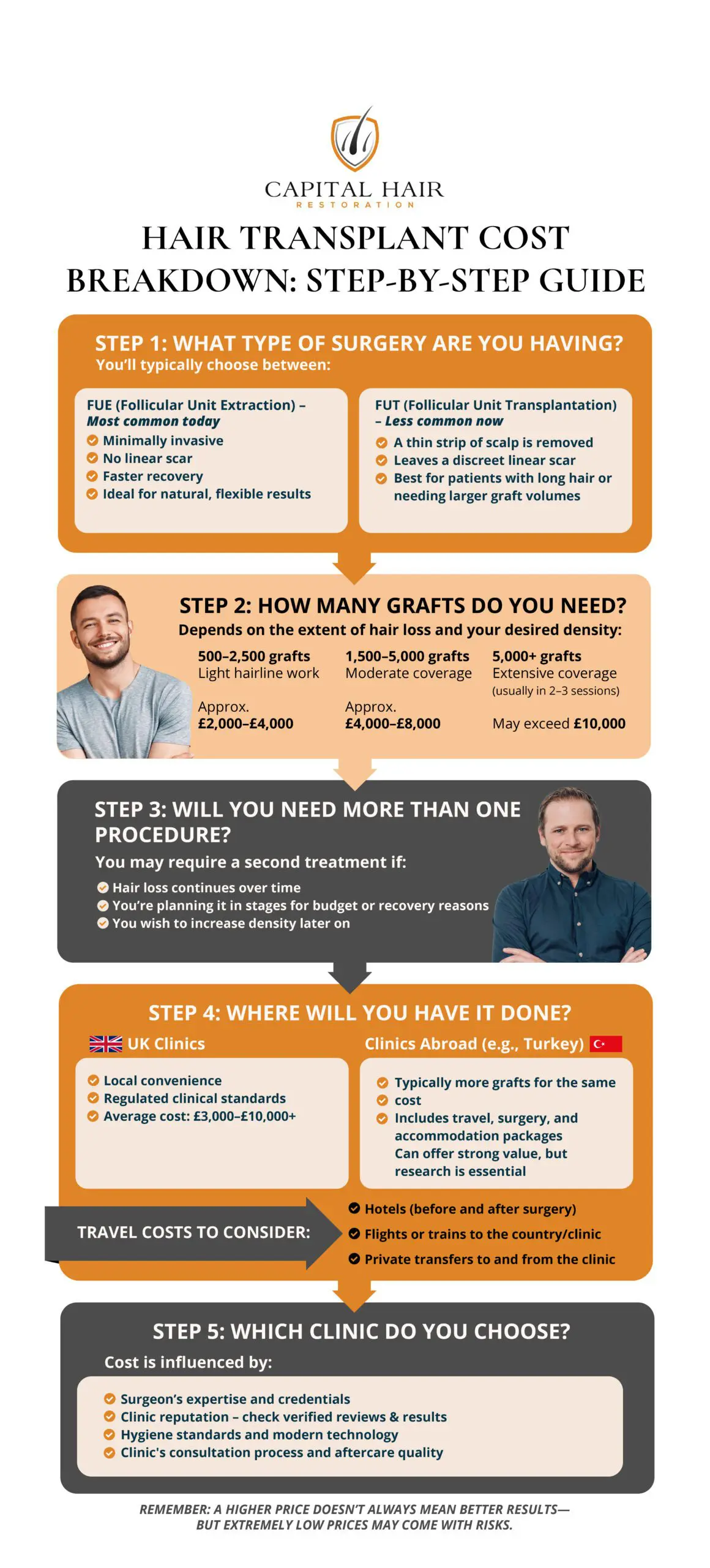
The Hair Transplant Process: Step by Step
Choosing a hair transplant is a major decision, and understanding the process helps set clear expectations. At Capital Hair Restoration, we guide every patient from their first consultation through to final results. Here’s what the journey typically looks like:
1. Consultation and Assessment
Every treatment begins with a detailed consultation. During this appointment:
- Your hair loss pattern is assessed, often using the Norwood Scale.
- We review your medical history to ensure you’re suitable for surgery.
- Your donor area (the back and sides of your scalp where follicles are resistant to DHT) is examined to determine graft availability.
- Our team discusses your goals and designs a personalised treatment plan.
This stage is also where you’ll learn whether FUE or FUT hair transplant is most appropriate for your level of baldness and desired outcome.
2. Planning Your Hairline
A natural-looking transplant requires careful artistry. The surgeon will:
- Design a hairline that suits your age, facial structure, and future hair loss pattern.
- Plan the angle, density, and distribution of grafts for the most realistic result.
Patients are fully involved in approving the design, ensuring confidence before surgery begins.
3. Preparing for Surgery
On the day of your procedure:
- Local anaesthetic is applied to ensure comfort.
- The donor area is trimmed and prepared for graft extraction.
- The surgical team ensures a sterile and controlled environment.
Because hair transplant surgery is performed under local anaesthesia, you remain awake and comfortable throughout.
4. Graft Extraction
Depending on the method chosen:
- FUE: Individual follicles are removed using a tiny punch device. This leaves minimal scarring and heals quickly.
- FUT: A thin strip of scalp is removed, and follicles are dissected under a microscope. This allows for a larger graft yield but leaves a fine linear scar.
Both methods are highly effective when carried out by skilled surgeons.
5. Graft Implantation
Tiny incisions are made in the recipient area, following the planned design. Each follicular unit is carefully placed to match the natural growth pattern. This stage requires precision and artistry to ensure a seamless blend with existing hair.
- Recovery and Aftercare
After surgery:
- You may experience mild swelling or redness for a few days.
- Tiny scabs form around grafts, which naturally fall off within 1–2 weeks.
- Most patients return to work within a week, depending on the procedure.
Our aftercare team provides detailed guidance, including washing instructions, medication, and follow-up appointments.
7. Results Timeline
Hair growth after a transplant is gradual:
- Months 1–3: Initial shedding of transplanted hairs (a normal part of the process).
- Months 4–6: New growth begins, usually finer at first.
- Months 6–12: Noticeable thickening and improved density.
- 12+ months: Final results, with natural, permanent hair.
📌 Key Takeaway: A hair transplant is not just a procedure — it’s a carefully planned journey. With expert assessment, personalised design, and meticulous aftercare, patients achieve natural, permanent restoration that restores both hair and confidence.
Results and Success Rates
One of the biggest questions men ask before committing to a hair transplant is, “What kind of results can I expect?” At Capital Hair Restoration, we believe in setting realistic expectations and backing them with proven outcomes. With more than 8,000 successful procedures performed in the UK and Turkey, our focus is on delivering natural, long-lasting results that match each patient’s goals.
How Effective Is Hair Follicle Surgery?
Modern hair follicle surgery techniques, including FUE and FUT, achieve a high success rate when carried out by experienced surgeons. Research shows that graft survival rates are typically above 90–95%, meaning the vast majority of transplanted follicles grow permanently in their new location. Unlike temporary treatments, transplanted hair is resistant to DHT, the hormone responsible for male pattern baldness, so once it grows, it will remain for life.

What Do Results Look Like?
- Natural Hairline Design: The artistry of the surgeon ensures that transplanted hairs blend seamlessly with existing hair. Angles, direction, and density are all planned to mimic natural growth.
- Permanent Density: While results vary depending on donor supply and stage of hair loss, most patients achieve strong, visible coverage in thinning or balding areas.
- Discreet Healing: With FUE, tiny extraction sites heal quickly, often becoming undetectable within days. FUT leaves a fine scar that is hidden by surrounding hair.
Factors That Influence Success
The outcome of a hair transplant depends on several factors:
- Donor Area Quality: Strong, healthy follicles at the back and sides of the scalp produce the best results.
- Extent of Hair Loss: Early to moderate cases often achieve higher density in a single session, while advanced cases may need multiple surgeries.
- Surgeon Skill and Technique: The experience of the surgical team directly impacts graft survival and natural-looking placement.
- Aftercare Compliance: Following washing, medication, and recovery instructions ensures optimal growth.
Patient Satisfaction and Confidence
Beyond the science, the true measure of success is how patients feel. Restoring a hairline or crown often translates into improved confidence, reduced self-consciousness, and a positive impact on personal and professional life. Many of our patients report not just looking younger, but feeling rejuvenated and more like themselves again.
📌 Key Takeaway: With survival rates above 90% and results that last a lifetime, hair transplant surgery is the most effective solution for male pattern baldness. At Capital Hair Restoration, natural results are achieved through expert planning, advanced techniques, and continuous aftercare.
Results & Patient Experiences
A hair transplant is more than just restoring hair — it is about regaining confidence and feeling like yourself again. At Capital Hair Restoration, we have helped thousands of men achieve natural-looking, permanent results. Patients typically notice visible growth within three to six months, with full results appearing at around 12 months.
See real patient transformations and read independent testimonials on our Hair Transplant Reviews & Testimonials page.
Costs & Treatment Packages
The cost of a hair transplant depends on several factors, including the number of grafts required, the technique used, and whether treatment is carried out in the UK or Turkey. While some clinics advertise low-cost procedures, it is important to understand what is included in your package and the quality of aftercare.
For a full breakdown of pricing, visit our guide on How Much Does a Hair Transplant Cost in the UK and learn why many patients also consider our all-inclusive UK vs Turkey Hair Transplant Packages.
Aftercare & Recovery
Successful results do not come from surgery alone — aftercare plays a vital role. At Capital Hair Restoration, we provide detailed guidance from day one, with regular check-ins to monitor progress. The first 10 days are particularly important for healing and protecting grafts.
Read our full guide on 10 Days After a Hair Transplant for a step-by-step look at recovery and what to expect.
Frequently Asked Questions
Many men considering hair restoration have similar concerns, from whether a transplant is painful to how long results last. Our dedicated FAQ hub answers these questions in detail, helping you make an informed decision.
Explore our Hair Transplant FAQs to learn more.
Your Next Step
Male pattern baldness is one of the most common conditions affecting men, but that does not make the experience any easier. Whether you are noticing early recession around the temples, thinning at the crown, or more advanced hair loss, understanding your options is the first step towards taking control.
The earlier treatment begins, the more opportunities there are to preserve existing hair and slow progression. For men with more advanced hair loss, modern hair transplant techniques can restore natural density and provide a permanent solution that continues to grow for life.
At Capital Hair Restoration, every treatment journey begins with a personalised consultation. During your appointment, our specialists will:
- Assess your stage of hair loss using the Norwood Scale
- Evaluate your donor area and long-term suitability for surgery
- Discuss medical treatments such as Finasteride and Minoxidil
- Explore regenerative options including PRP and LLLT
- Create a personalised restoration plan tailored to your goals, hair characteristics, and future hair loss pattern
Consultations are available across the UK, including Harley Street, London, Chelmsford, Cambridge, Guildford, Reading, Watford, Portsmouth, and Southampton.
With more than 8,000 successful procedures completed and treatment options available in both the UK and Turkey, our team combines medical expertise, advanced surgical techniques, and ongoing aftercare support to help patients achieve natural, long-lasting results.
Whether your goal is to maintain your existing hair, restore a receding hairline, improve crown density, or explore a full hair transplant, we can help you understand the options available and build a treatment plan around your individual needs.
Book your free consultation today and discover which treatment approach is most suitable for your stage of hair loss and long-term goals.
References
- NHS – Hair loss overview: https://www.nhs.uk/conditions/hair-loss/
- British Association of Dermatologists – Hair loss male pattern baldness (androgenetic alopecia)
- ISHRS – 2025 Practice Census Results


Book Your Free Hair Transplant Consultation
Fill in your details and we'll get in touch with you shortly.