



How to reduce pain after hair transplant surgery?
How to reduce pain after hair transplant surgery?

A Calm and Comfortable Approach to Healing, Backed by Experience
An FUE hair transplant is a modern, minimally invasive procedure – and for most patients, it’s far more comfortable than they expect. The majority of people report little to no pain during the surgery, and only mild discomfort during the early healing phase. That said, being prepared for the recovery period is one of the best ways to reduce any discomfort and help you feel confident throughout.
At Capital Hair Restoration, our goal is to make every part of your hair restoration journey clear, predictable, and manageable. From the moment you decide to have surgery to the day your new hair begins to grow, we support you with personalised guidance and a calm, step-by-step recovery plan.
Why Is There Some Discomfort After a Hair Transplant?
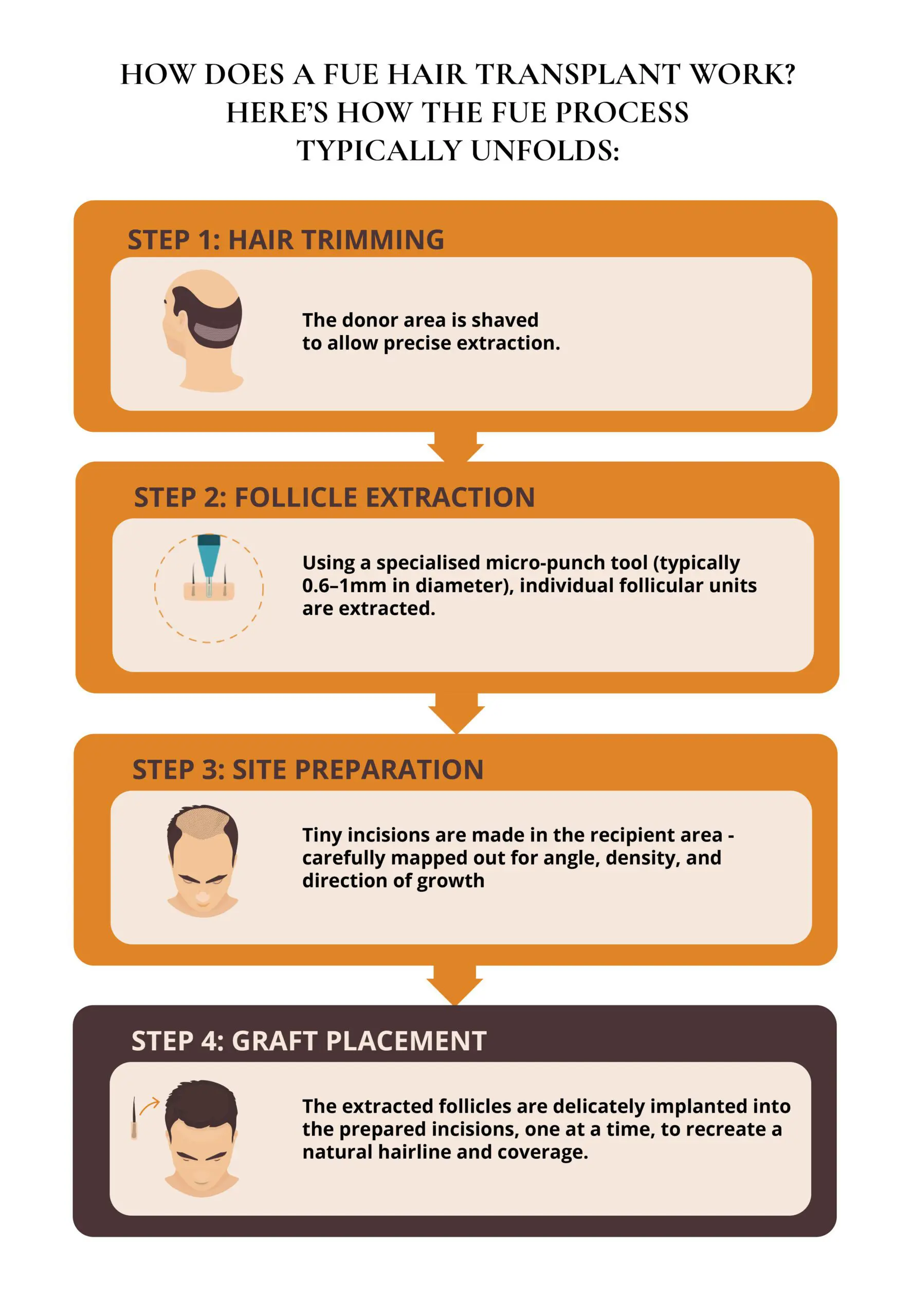
The FUE (Follicular Unit Extraction) technique is one of the least invasive options available. Instead of using stitches or large incisions, FUE involves removing and implanting tiny grafts – just one or two hair follicles at a time – using a specialist micro-punch tool.
This process doesn’t damage surrounding skin, and because there are no sutures, healing is typically fast and straightforward. However, it’s normal to feel a bit of tightness, tenderness, or mild aching in the days following your procedure. This is simply your body responding to the natural healing process.
“I wouldn’t call it painful – just a bit of soreness in the back of my head like I’d worn a tight hat for too long. By Day 3, I was barely thinking about it.”– Michael, 41, Capital Hair Restoration client
Healing Stages and How to Manage Them Comfortably
A little preparation can go a long way in making the experience smoother. Here’s how we help reduce pain and discomfort from the very beginning.
Before Your Procedure
- Eat a good breakfast. Avoid caffeine or alcohol the night before.
- Wear a zip-up or buttoned shirt. You won’t want to pull anything over your head post-surgery.
- Bring a neck pillow. This helps support your head on the way home and during sleep.
During Surgery
- Your scalp will be completely numbed using local anaesthetic.
- You’ll be awake, relaxed, and free to listen to music or rest.
- Most people describe the process as surprisingly easy.
“It honestly felt like a long haircut. The team were great – always checking I was okay. No stress at all.”– Samir, 36, CHR Istanbul package patient
The First Few Days After Your Hair Transplant
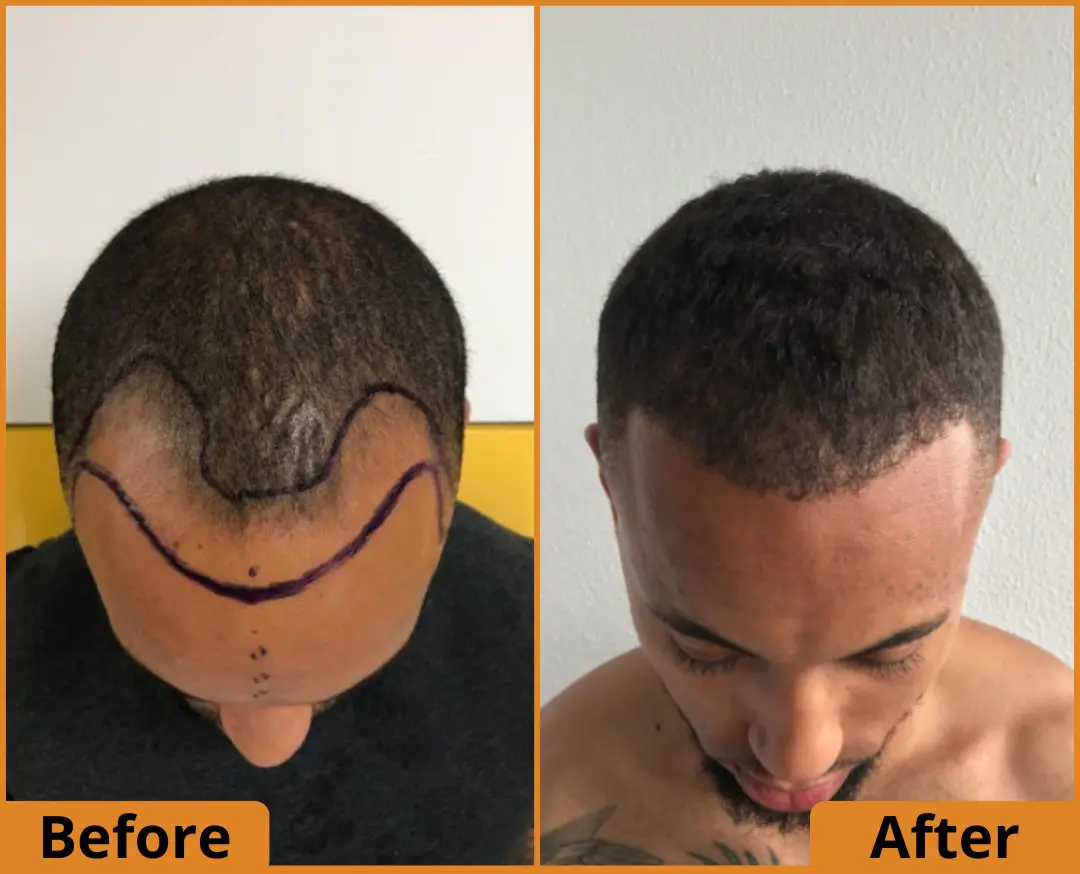
What to Expect, What You’ll Feel, and How to Stay Comfortable
Once your hair transplant is complete and you’re safely back home, your scalp will still be numb from the local anaesthetic. Over the next few hours, the feeling will gradually return – and with it, some mild tightness or soreness, especially around the donor area (usually the back or sides of the head).
This discomfort is usually very manageable. Most Capital Hair Restoration patients describe it as mild tenderness, rather than pain – similar to having worn a tight hat for too long or mild sunburn. The feeling tends to be most noticeable at night and typically fades by day three or four.
Our Approach to Reducing Discomfort
Here’s what we recommend to help you feel at ease during the first 72 hours:
- Keep your head elevated
Use a neck pillow or prop yourself up with a few cushions when resting or sleeping. Keeping your head at a 45-degree angle helps reduce swelling and pressure in the scalp, which in turn helps minimise discomfort. - Take simple pain relief (if needed)
Over-the-counter painkillers like paracetamol or ibuprofen are usually all that’s needed. We’ll advise you on when and how to take them, and most patients only need them for the first one or two days – if at all. - Stay still and rest
It’s important to take it easy. Avoid bending over, lifting heavy objects, or making any sudden head movements. This not only helps avoid unnecessary soreness but also protects your newly placed grafts. - Stay in touch with your consultant
At Capital Hair Restoration, we encourage all patients to send scalp photos during the first 10 days. This allows your consultant to check healing, advise on your comfort levels, and provide reassurance if you’re unsure about anything.
“On Day 2 I had a little throbbing near the crown – nothing major, but I messaged my consultant and they replied within 15 minutes. That made a big difference mentally.”– Junaid, 33, CHR Essex clinic
A Typical Sensation Timeline
Day 1: Your scalp may feel numb or slightly tight. You’ll likely rest, relax, and avoid moving much.
Day 2–3: Mild sensitivity or tenderness at the donor site. Some patients feel a little itchy or tight.
Day 4–5: Any soreness begins to fade. Itching may begin as the scalp starts to heal – a good sign.
Most people don’t experience pain in the recipient area (where the new grafts are implanted), as it heals very quickly and with little inflammation.
By the end of the first week, the vast majority of patients say their head feels “normal again” – aside from some itchiness and visible scabbing, which we’ll talk about next.
Side Effects & Management Tips
| Side Effect | Expected Duration | Management Tips |
| Pain & Discomfort | 3–5 days | Painkillers, head elevation, avoid sudden movements |
| Bleeding | 24–48 hours | Avoid scab picking, follow post-op instructions |
| Shedding | 2–3 weeks | Normal part of recovery, expect regrowth within months |
| Itching | 1–2 weeks | Use a mild shampoo, avoid scratching and apply the prescribed lotion |
| Scarring | Permanent (but minimal) | Follow aftercare, avoid sun exposure |
| Swelling | 3–5 days | Keep head elevated, use a cold compress |
| Cysts | Few weeks | Keep the scalp clean, and consult CHR if persistent |
| Infection | Rare | Maintain hygiene and take antibiotics if prescribed |
Healing, Itching, and What You’ll See in the First Week
What’s Normal and How to Manage it Comfortably
By Day 4 to Day 7, most patients find they’re moving around as normal and experiencing little to no soreness. This is also when your scalp begins its visible healing process – and it can feel a little unusual if it’s your first time going through it.
Let’s break down what you might notice, and how to handle each part comfortably.
Itching: A Sign That You’re Healing
A little itching is very normal, and it’s often a sign that your skin is healing beneath the surface. It usually begins around Day 4 or 5 and may last a few days to a week.
- What causes it? The tiny wounds from follicle placement begin to close and regenerate, which can create a prickly or tingling sensation.
- What helps? We recommend using a saline spray regularly, which helps keep the scalp hydrated. From Day 5 or 6, once you’re cleared to start gentle washing, a mild or medicated shampoo can calm the area further.
The most important thing?
Do not scratch the recipient or donor area, even if it itches. Scratching can dislodge new grafts or delay healing. If you need to touch your scalp, do so gently and only with clean hands or as advised by your care team.
“The itching caught me off guard. It wasn’t painful – just irritating. But knowing it was part of the process helped. The saline spray was a game changer.”– David, 38, CHR London patient
Scabbing: What It Looks Like and When It Goes
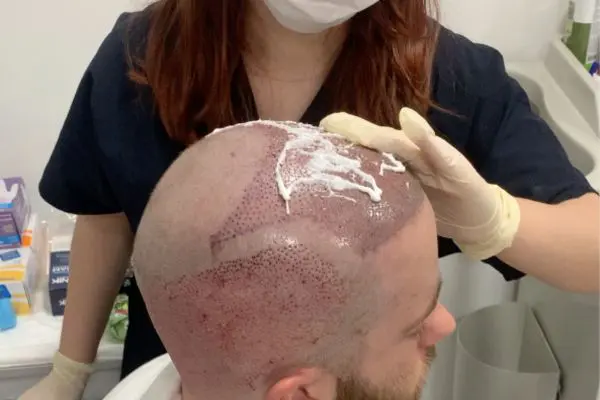
From around Day 3 to Day 7, small scabs begin to form around the implanted hairs. These are tiny crusts created by the body’s natural healing response.
- They are normal. They form around each graft and typically begin to flake away naturally between Days 7–10.
- Don’t pick at them. Picking can disturb grafts or increase the risk of infection. Let them fall off on their own during gentle washing.
- Keep your scalp moisturised. Regular saline spray (provided in your CHR aftercare kit) supports a clean, hydrated environment.
“I was worried the scabs looked obvious, but it just looked like I’d had a buzzcut with a little flaking. By Day 9, most of them had come off in the shower.”– Matthew, 42, CHR patient in Istanbul
What Your Scalp Will Look Like
It’s completely normal for your scalp to look slightly red, dotted, or patchy during the first week. Think of this stage as short-term disruption before long-term benefit. Most patients find that the appearance improves significantly by Day 10, and by Week 2, the scalp often looks settled and clean.
What Happens After Week One?
Shedding, Early Growth and Staying Positive in the Process
By the time you’ve reached Day 10, you’re well into recovery – and the hardest part is behind you. Any soreness has likely faded, scabs are flaking away, and the grafts are now securely embedded in the scalp. This is a great point to reflect on progress and look ahead to what’s next.
Week 2 to Week 4: The Shedding Phase
If you’re like most patients, you’ll start to notice the implanted hairs falling out sometime between the second and third week after your procedure. This is known as shock shedding, and while it can be a surprise, it’s completely normal and expected.
Why does shedding happen?
The transplanted follicles enter a resting phase shortly after being moved. The hair shafts (the visible part of the hair) fall out, while the follicles themselves remain in place under the skin, preparing to start a fresh growth cycle.
“The shedding phase gave me a mini panic, even though I knew it was normal. But CHR checked my photos and reassured me. That support really mattered.”– Jake, 40, CHR Brighton clinic
This phase can last a couple of weeks. It doesn’t happen all at once – for some, it’s subtle, for others, more noticeable. Either way, the follicles are alive and healthy. New hair typically starts to grow around months 3–4, and it builds steadily over time.
Week 3 and Onward: Back to Routine, Carefully
By this stage, most patients feel ready to resume all normal activities – including work, social outings, and even exercise.
Here’s what to keep in mind:
- You can return to the gym, but avoid intense sweating and heavy contact exercises for a few more weeks.
- Haircuts and styling products should still be avoided until you’ve had clearance from your consultant – usually around the one-month mark.
- Sun exposure should be limited. If you’re outside, wear a loose-fitting cap or stay in the shade when possible.
You’ll likely find your scalp is now just part of your routine again – no discomfort, no major visible signs of surgery. But remember, the results are still developing under the surface.
How You Might Feel Emotionally
The period between surgery and the first signs of new growth can feel like a waiting game – especially when shedding kicks in. This is where staying in close contact with your consultant really matters. Seeing side-by-side photos of your progress, getting professional reassurance, and knowing that everything is on track can make a huge difference.
“I hit a dip around Week 3 – I wasn’t seeing anything and I felt a bit deflated. But looking back, I realise how much was happening behind the scenes. By Month 4, it was all starting to come through.”– Luke, 35, CHR Turkey package
Long-Term Recovery: When You’ll See Results
Growth Timelines, Expectations and What Success Feels Like
By the end of the first month, you’re no longer thinking about discomfort or side effects. Your scalp feels completely normal, and most patients have settled back into their daily routine. From this point on, it becomes a game of patience and progress – as your new hair follicles begin their natural growth cycle.
When Does Hair Start to Grow?
Transplanted hair usually begins to grow around Month 3 to 4. The first new hairs may be soft, thin, or lighter in colour than your existing hair – but they thicken over time.
Here’s a general timeline to give you an idea of what to expect:
Month 1–2:
- Shedding is mostly complete
- Scalp looks clear, with no visible signs of surgery
- No new growth yet – this is the follicle resting phase
Month 3–4:
- First signs of regrowth begin
- Hairs appear thin and patchy
- Some patients see growth at the hairline first, others in the crown
Month 5–8:
- Growth accelerates and density increases
- Hair begins to feel and style more like your original hair
- Many people report a noticeable transformation around Month 6
Month 9–12:
- Full results begin to show
- Hairs thicken, mature, and fully blend with surrounding hair
- Any lingering redness or texture usually disappears
“At six months I looked in the mirror and did a double take. The hairline was solid, natural, and it honestly changed how I saw myself. I stopped thinking about it – it just felt like me again.”– Charlie, 39, CHR patient
Supporting Long-Term Growth
There are a few things you can do to continue supporting healthy growth well after surgery:
- Stick to your post-op plan – even once it feels unnecessary, small habits like gentle shampoo use and avoiding harsh styling products matter.
- Consider non-surgical maintenance options, like topical minoxidil or finasteride (if appropriate). These can help support non-transplanted hair and slow further hair loss.
- Attend your review appointments with CHR – our consultants monitor progress, offer tailored advice, and answer any questions that come up.
The Takeaway: Recovery Is Easier Than You Think

Pain is one of the most common concerns people have before a hair transplant. But for most FUE patients, the experience is smooth, manageable, and often easier than expected.
By preparing ahead of time, following your aftercare instructions, and staying in contact with your consultant, you can reduce discomfort, avoid complications, and feel confident every step of the way.
“From the first consultation to the final review, the process was so much simpler than I imagined. And once the hair came through, I felt like myself again – but better.”– Freddie, 44, Capital Hair Restoration client
Your Next Step
For most patients, a hair transplant is far less uncomfortable than they expect. Modern FUE techniques are designed to minimise disruption, reduce recovery times, and allow patients to return to their normal routines relatively quickly. However, every patient heals differently, and understanding what to expect can make the entire experience feel more manageable and less stressful.
At Capital Hair Restoration, we believe preparation and aftercare are just as important as the procedure itself. Our team provides ongoing support before, during, and after treatment to help ensure a smooth recovery and the best possible outcome.
During your consultation, we will:
- Assess your hair loss pattern and donor area
- Explain exactly what happens during the procedure
- Discuss expected discomfort levels and recovery timelines
- Provide personalised aftercare guidance based on your lifestyle
- Create a treatment and recovery plan tailored to your goals
Consultations are available across the UK, including Harley Street, London, Chelmsford, Cambridge, Guildford, Reading, Watford, Portsmouth, and Southampton.
Most patients find that the anxiety before a hair transplant is far greater than the discomfort afterwards. With realistic expectations, the right preparation, and ongoing support from an experienced team, recovery is usually straightforward and predictable.
Book your free consultation today and discover what treatment, recovery, and aftercare could look like in your specific case.

Book Your Free Hair Transplant Consultation
Fill in your details and we'll get in touch with you shortly.